You go to bed at a reasonable time, sleep for eight hours, and wake up expecting to feel refreshed. Instead, your body feels heavy, your eyes are difficult to keep open, and reaching for another cup of coffee seems like the only way to start the day.
If this happens regularly, you may wonder why a full night’s sleep is not giving you the energy you need.
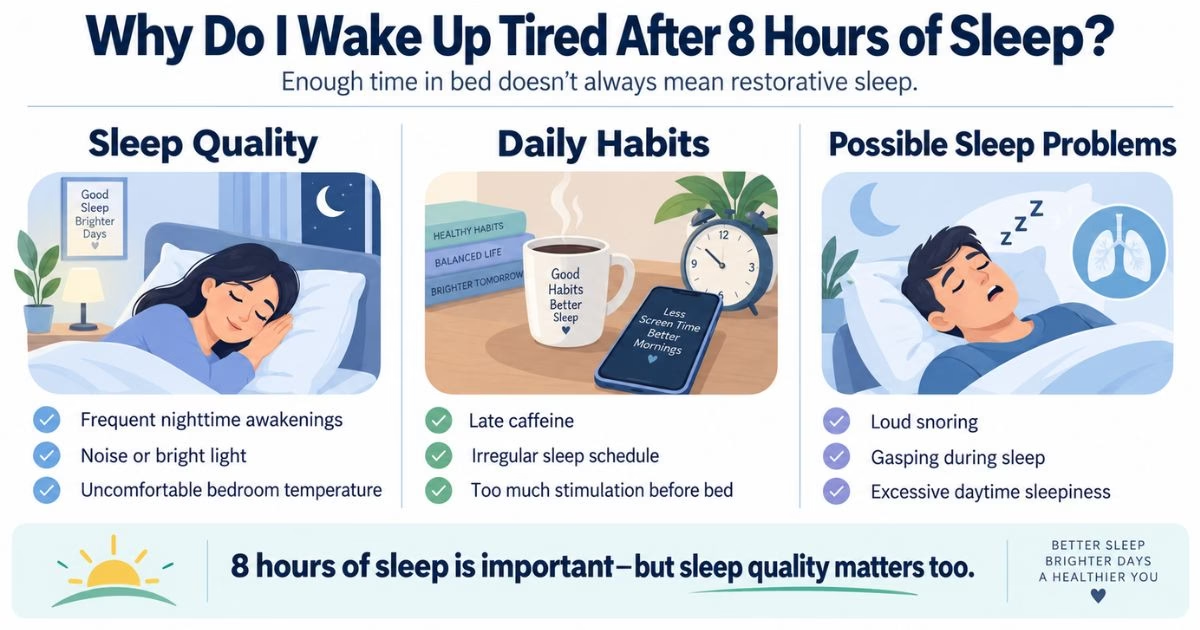
The answer is that sleep duration and sleep quality are not the same thing. You might spend eight hours in bed but experience frequent interruptions, sleep at a time that does not match your natural body clock, or have an underlying condition that affects how rested you feel.
Sometimes, morning grogginess is simply a temporary part of waking up. In other cases, persistent tiredness can be a sign that your sleep habits need attention or that a health concern deserves professional evaluation.
Understanding why you wake up tired after eight hours of sleep can help you identify useful changes without guessing or relying on quick fixes.
This guide explores ten possible reasons for morning tiredness, practical ways to improve your sleep, and signs that it may be time to speak with a healthcare professional.
Is It Normal to Feel Tired After 8 Hours of Sleep?
Feeling groggy occasionally after waking up is common. You might feel slow during the first few minutes of the morning, especially if you have just awakened from deeper sleep or your usual schedule has changed.
This temporary feeling is known as sleep inertia. It can affect alertness, concentration, and reaction time after waking. For many people, it improves as they become fully awake, although it can sometimes last longer. The U.S. Centers for Disease Control and Prevention discusses sleep inertia as a temporary reduction in alertness after sleep. CDC guidance on sleep inertia
However, feeling exhausted for hours every morning is different from occasional grogginess.
According to the CDC, adults ages 18–60 generally need at least seven hours of sleep each night, while recommendations vary somewhat for older adults. Individual sleep needs also differ. Eight hours may be enough for you, but some people need more to feel well rested. CDC sleep recommendations
The quality of your sleep matters just as much as the time you spend sleeping. A night filled with repeated awakenings may leave you tired even when your clock shows a full eight hours.
Pay attention to how you feel throughout the day. If you gradually become more alert after getting out of bed, morning grogginess may be temporary. If you remain exhausted, struggle to concentrate, or feel sleepy during ordinary activities, it is worth looking more closely at the possible causes.
1. Your Sleep Quality May Be Poor
One of the most common explanations for waking up tired is that your sleep has not been as restful as it appeared.
You can spend eight hours in bed without getting eight hours of uninterrupted, restorative sleep. Brief awakenings, environmental disturbances, discomfort, and other interruptions can affect the continuity of your rest.
Some interruptions are obvious. You might remember waking up several times because of outside noise or needing to use the bathroom.
Others are less noticeable. You may return to sleep quickly and have little memory of waking up, yet still feel tired the next morning.
What Can Interrupt Your Sleep?
Several everyday factors can disturb your sleep without necessarily shortening your time in bed:
- Traffic, television, or other household noises.
- A bedroom that is too warm, bright, or uncomfortable.
- Pain, indigestion, or frequent bathroom trips.
- Pets or family members disturbing your rest.
- Late-night alcohol or caffeine consumption.
- Stress that causes repeated awakenings.
For example, imagine going to bed at 10 p.m. and getting up at 6 a.m. If you wake up frequently during the night, those eight hours may not provide the same rest as a relatively uninterrupted night.
What You Can Try
Start by paying attention to your sleeping environment. Keep your bedroom dark, quiet, and comfortably cool when possible. Choose bedding that feels comfortable, and address any recurring sources of noise or light.
If you suspect that nighttime discomfort is interrupting your sleep, note when it happens and whether it follows particular habits, such as eating a large meal late in the evening.
If your sleep remains unrefreshing despite making reasonable changes, consider whether an underlying sleep problem could be involved.
2. You May Need More Than Eight Hours of Sleep
Eight hours is a useful guideline, not a perfect number for everyone.
Sleep needs vary according to age, individual biology, activity, and other circumstances. While most adults need at least seven hours, some function and feel better with closer to nine hours or more.
If you regularly wake up tired, it is worth asking whether eight hours is enough for your particular needs.
Look at Your Energy Throughout the Day
Do you feel alert when you have the opportunity to sleep a little longer? Do you rely heavily on caffeine to stay awake? Do you become unusually sleepy in the afternoon?
These patterns may suggest that your current sleep duration is not meeting your needs, although they do not establish the cause by themselves.
You might also be spending eight hours in bed but taking time to fall asleep. If you lie awake for 30 minutes and wake up eight hours after getting into bed, your actual sleep time is shorter than eight hours.
Try a Small Schedule Adjustment
For a week or two, consider giving yourself an additional 30 minutes of sleep opportunity if your schedule allows.
Keep your wake-up time reasonably consistent and notice whether you feel more refreshed. Avoid making dramatic changes that interfere with work, family responsibilities, or your regular routine.
If extra sleep does not improve your energy, do not assume you simply need to keep extending your time in bed. Persistent tiredness can have several possible explanations, including poor sleep quality or a health condition.
3. Your Body Clock May Be Out of Sync
Your body has an internal timing system, often called the circadian rhythm, that helps regulate when you feel awake and when you feel sleepy.
Light exposure, daily activities, and regular sleep schedules all provide cues that influence this system.
When your sleep timing conflicts with your natural rhythm, you may find it difficult to fall asleep at the intended time or wake up feeling alert.
How an Irregular Schedule Can Affect You
Suppose you usually go to bed at 10:30 p.m. during the week but stay awake until 2 a.m. on weekends. You then try to return to your usual bedtime on Sunday night.
Even if you spend enough time in bed, your sleep timing may be less consistent than usual.
This can also happen to people who work rotating shifts, travel across time zones, or frequently change their sleeping hours.
How to Support Your Natural Sleep Rhythm
Try going to bed and waking up at roughly the same times each day, including weekends when practical.
Spend some time outdoors during daylight hours, particularly earlier in the day. A morning walk or lunch break outside can provide natural light and movement.
In the evening, reduce unnecessary bright lighting as bedtime approaches.
If you work nights or rotating shifts, a conventional nighttime schedule may not be realistic. Focus instead on making your main sleep period as consistent and comfortable as possible, limiting unwanted light and noise, and protecting enough time for rest.
Persistent difficulties adapting to shift work may warrant professional guidance.
4. You Could Have Sleep Apnea or Another Sleep Disorder
Sometimes, the reason you wake up tired after eight hours of sleep is an underlying sleep disorder.
One possibility is obstructive sleep apnea, a condition in which the upper airway repeatedly narrows or becomes blocked during sleep. These episodes can interrupt normal sleep and affect breathing.
A person with sleep apnea may spend what appears to be a full night in bed and still wake up exhausted.
Signs of Sleep Apnea to Watch For
Possible symptoms include:
- Loud, frequent snoring.
- Pauses in breathing noticed by another person.
- Gasping or choking sounds during sleep.
- Daytime sleepiness or persistent fatigue.
- Waking with a dry mouth or headache.
- Frequent nighttime awakenings or bathroom trips.
Not everyone with sleep apnea snores loudly, and symptoms can vary. You may not realize your breathing is interrupted until someone who sleeps nearby notices it.
The National Heart, Lung, and Blood Institute recommends discussing possible symptoms with a healthcare provider. A sleep study may be needed to determine whether sleep apnea is present.
Other Sleep Problems Can Also Affect Rest
Insomnia may involve difficulty falling asleep, staying asleep, or returning to sleep after waking. Restless legs syndrome can cause uncomfortable sensations and an urge to move the legs, particularly when resting. Other sleep disorders can affect alertness during the day.
These conditions require different approaches, so identifying the actual problem matters.
If you regularly wake up tired and notice symptoms such as loud snoring, gasping, or significant daytime sleepiness, arrange a medical evaluation rather than assuming that better bedtime habits alone will solve the problem.
5. Stress and Anxiety May Be Affecting Your Sleep
You may technically sleep for eight hours while spending much of the night dealing with stress-related sleep disruptions.
Work deadlines, financial worries, family responsibilities, and personal concerns can keep your mind active when you are trying to rest.
Sometimes, you fall asleep without difficulty but wake up during the night and begin worrying. At other times, you may sleep through the night but wake up feeling mentally exhausted.
Stress and sleep problems can also affect one another. A difficult day can make it harder to sleep, while poor sleep can make the next day’s responsibilities feel more challenging.
Recognize Your Evening Thought Patterns
Think about what happens when you lie down at night.
Do you start planning tomorrow’s tasks? Do you repeatedly think about a conversation? Do you worry about how tired you will be if you do not fall asleep soon?
These patterns can help you identify whether bedtime has become a regular time for worrying.
You do not need to solve every concern before going to sleep. Instead, try giving your worries a more appropriate time and place during the day.
Create a Short Wind-Down Routine
About 20 to 30 minutes before bed, put away work materials, reduce unnecessary phone use, and choose a quiet activity.
You could read, listen to gentle music, take a warm shower, or practice comfortable breathing.
If tomorrow’s responsibilities keep coming to mind, write down a short list and decide when you will address each item.
If anxiety or low mood is persistent, affects your daily functioning, or feels difficult to manage, consider speaking with a qualified mental health professional or healthcare provider. Relaxation practices can be helpful, but ongoing distress may require additional support.
6. Caffeine or Alcohol May Be Affecting Your Rest
What you drink during the day can influence how you sleep at night.
Caffeine is found in coffee, tea, energy drinks, some soft drinks, and chocolate. It can remain active in your system for hours, and people differ in how sensitive they are to its effects.
A cup of coffee in the late afternoon may not stop you from falling asleep, but it could contribute to less restful sleep or make it harder to stay asleep.
Review Your Caffeine Habits
If you wake up tired and depend on coffee throughout the day, notice when you drink it.
Consider moving your last caffeinated drink earlier and observing whether your sleep improves. The ideal cutoff will depend on your bedtime and individual sensitivity.
Be mindful of energy drinks and other products that may contain caffeine even when you do not think of them as coffee substitutes.
Understand Alcohol’s Effect on Sleep
Alcohol may initially make you feel sleepy, but it can also contribute to sleep disruption later in the night.
You might fall asleep quickly after drinking and still wake up feeling tired the following morning.
If you drink alcohol, pay attention to whether your sleep is less refreshing on those nights.
The NHLBI recommends avoiding caffeine, nicotine, and alcohol close to bedtime as part of healthy sleep habits.
You do not need to change every habit at once. Start by identifying the one most likely to affect your sleep and make a practical adjustment.
7. Your Evening Meals or Hydration Habits May Be Contributing
Food and drink are not always the main causes of morning tiredness, but the timing and size of meals can affect comfort during sleep.
Eating a very large meal shortly before bed may contribute to indigestion or discomfort for some people. If you experience heartburn after lying down, it may be worth discussing this pattern with a healthcare professional.
Drinking large amounts of fluid immediately before bed can also increase the likelihood of waking up to use the bathroom.
Make Small, Practical Adjustments
Try having your main evening meal early enough to allow you to feel comfortable before lying down.
If you are hungry close to bedtime, a light snack may be more comfortable than going to sleep very hungry or eating a heavy meal.
Drink enough fluids throughout the day, but consider reducing large drinks right before bedtime if nighttime bathroom trips regularly interrupt your sleep.
These habits should be adapted to your circumstances. People with medical conditions that require specific hydration or dietary instructions should follow their healthcare professional’s advice.
If you regularly wake up to urinate several times a night, especially alongside unusual thirst or other symptoms, discuss it with a clinician instead of assuming it is simply a drinking habit.
8. A Medication or Health Condition May Be Causing Fatigue
Persistent tiredness is not always a sleep problem. Sometimes, it is related to a medication or an underlying health condition.
For example, some medicines used for allergies or coughs can cause drowsiness. Other medicines may affect sleep timing or make it harder to stay asleep.
Health conditions associated with fatigue include anemia, thyroid disorders, diabetes, depression, chronic pain, and certain infections. This does not mean that waking up tired automatically indicates any of these conditions. The same symptom can have many causes.
Review Any Recent Changes
Think about whether your tiredness began after starting a medication, changing a dose, experiencing an illness, or noticing other symptoms.
Keep a record of what you take, when the tiredness occurs, and whether you have noticed changes in your appetite, mood, concentration, or general energy.
Do not stop prescribed medication or change its dose on your own. A healthcare professional can review possible side effects and decide whether adjustments or further evaluation are appropriate.
When a Medical Checkup May Help
Consider arranging an appointment if your tiredness is persistent, unexplained, or affecting your ability to manage normal activities.
Depending on your symptoms and medical history, a clinician may review your sleep patterns, medications, and general health. They may recommend specific tests if there is a reason to check for conditions such as anemia or thyroid problems.
The purpose is not to search for every possible illness. It is to identify the explanations that best fit your situation and determine whether treatment is needed.
9. You May Be Experiencing Sleep Inertia
Have you ever awakened from a full night’s sleep and felt as though your brain was still half asleep?
You might feel heavy, slow, or slightly confused during the first part of the morning. Even familiar tasks can feel difficult until you have had time to become fully alert.
This temporary state is called sleep inertia. It is different from persistent fatigue that continues for much of the day.
Sleep inertia can happen after waking from a night of sleep or a nap. It often improves as the brain becomes more alert, but the duration varies and may be longer when you are sleep deprived or awakening at an unusual time.
Give Yourself Time to Wake Up
Instead of expecting yourself to feel completely alert the moment your alarm sounds, build a little time into your morning.
Open the curtains, get some daylight, wash your face, and move around gently. A short walk or a few comfortable stretches may help you feel more awake.
Try to avoid hitting snooze repeatedly if it causes you to fall back asleep and wake up groggy again.
If you need to drive, operate equipment, or perform another safety-sensitive task, do not assume that you are ready simply because you are out of bed. Allow yourself to become fully alert before doing something that requires quick reactions.
Know When Grogginess Is More Than Temporary
If the tired feeling fades fairly quickly and you remain alert through the day, temporary sleep inertia may explain at least part of your experience.
If you remain excessively sleepy for hours, frequently doze off unintentionally, or struggle to stay awake during normal activities, seek medical advice.
Morning grogginess and persistent fatigue can overlap, so the timing and severity of your symptoms are useful clues.
10. Your Daytime Habits May Be Affecting Your Energy
Healthy sleep starts before bedtime.
Daily activity, light exposure, meal timing, stress, and your use of caffeine can all influence how you feel at night and the following morning.
For example, spending most of the day indoors, moving very little, and drinking coffee late in the afternoon may contribute to a routine that makes sleep less predictable.
Get Natural Light During the Day
When possible, spend time outdoors earlier in the day. A morning walk, time in a garden, or an outdoor lunch break can provide natural light and a chance to move.
Light exposure is one of the cues that help regulate your sleep-wake rhythm. Try to make your daytime environment brighter and your evening environment less stimulating.
If you work nights or sleep during the day, adjust the timing to fit your schedule instead of forcing yourself into a conventional routine.
Stay Physically Active
Walking, cycling, swimming, gardening, or another activity you enjoy can support general health and may help with sleep.
You do not need an intense workout. Begin with activity that fits your fitness level and increase it gradually if appropriate.
If exercising vigorously close to bedtime leaves you feeling energized, move more demanding activities earlier in the day.
Keep Track of What Changes Your Energy
Rather than trying to change everything at once, pay attention to patterns.
Does morning tiredness seem worse after late caffeine? Do you feel more refreshed after a regular sleep schedule? Does your bedroom noise wake you repeatedly?
A few weeks of observation can provide useful clues about your own routine.
How to Find Out Why You Are Waking Up Tired
When several factors may be involved, guessing can become frustrating. A simple sleep diary can help you identify patterns and give your healthcare provider more useful information if you need an appointment.
For one or two weeks, record the following:
- Your bedtime and wake-up time.
- Your best estimate of how long it took to fall asleep.
- Any nighttime awakenings you remember.
- Whether you woke up feeling refreshed, groggy, or exhausted.
- Caffeine and alcohol consumption, including timing.
- Naps, exercise, and unusual stress.
- Any new symptoms or medication changes.
You do not need to monitor your sleep perfectly. An approximate record is enough to identify patterns.
For example, you may notice that your tiredness is worse after changing your weekend schedule or drinking coffee late in the day.
Alternatively, you may find that you still feel exhausted despite regular sleep habits and enough time in bed. That information can help guide a conversation with a healthcare professional.
A sleep diary is not a diagnostic tool, but it can make the next steps more focused. The NHLBI also recommends tracking sleep patterns as part of evaluating some sleep-related concerns.
When Should You See a Doctor About Morning Tiredness?
Occasional morning grogginess is usually not a reason to panic. However, persistent tiredness deserves attention when it continues despite reasonable changes to your routine.
Consider speaking with a healthcare professional if:
- You regularly feel exhausted despite allowing enough time for sleep.
- You snore loudly, gasp during sleep, or someone notices pauses in your breathing.
- You often wake with headaches or a dry mouth.
- You struggle to remain awake during the day.
- Your tiredness affects concentration, work, relationships, or everyday activities.
- You have other symptoms, such as unexplained changes in weight, mood, or exercise tolerance.
A clinician can assess your symptoms, review medication use, and determine whether further testing or a sleep study is appropriate.
If you feel dangerously sleepy while driving, pull over somewhere safe rather than trying to push through it. Severe fatigue can affect your reaction time and judgment.
Seek urgent medical care if tiredness occurs with concerning symptoms such as chest pain, significant shortness of breath, fainting, or a rapid or irregular heartbeat. Do not assume those symptoms are caused by poor sleep.
Conclusion: Eight Hours of Sleep Should Leave You Feeling Rested
Waking up tired after eight hours of sleep can be frustrating, especially when you are making an effort to follow a healthy routine. However, the number of hours you spend in bed is only one part of the picture.
Poor sleep quality, an irregular body clock, stress, caffeine, alcohol, sleep inertia, and certain health conditions can all contribute to morning tiredness.
Start by reviewing your sleep schedule, bedroom environment, and evening habits. Give yourself enough time to rest, limit late-night distractions, and pay attention to how you feel throughout the day.
If the tiredness continues, look beyond lifestyle habits. Symptoms such as loud snoring, gasping during sleep, or persistent daytime exhaustion may warrant a professional assessment.
Most importantly, do not assume that you need to keep sleeping longer without understanding why you feel tired. A regular routine can help, but ongoing fatigue deserves an explanation that fits your individual situation.
With a little observation and the right support when needed, you can take practical steps toward more refreshing sleep and better energy during the day.
1 thought on “Why Do I Wake Up Tired After 8 Hours of Sleep?”