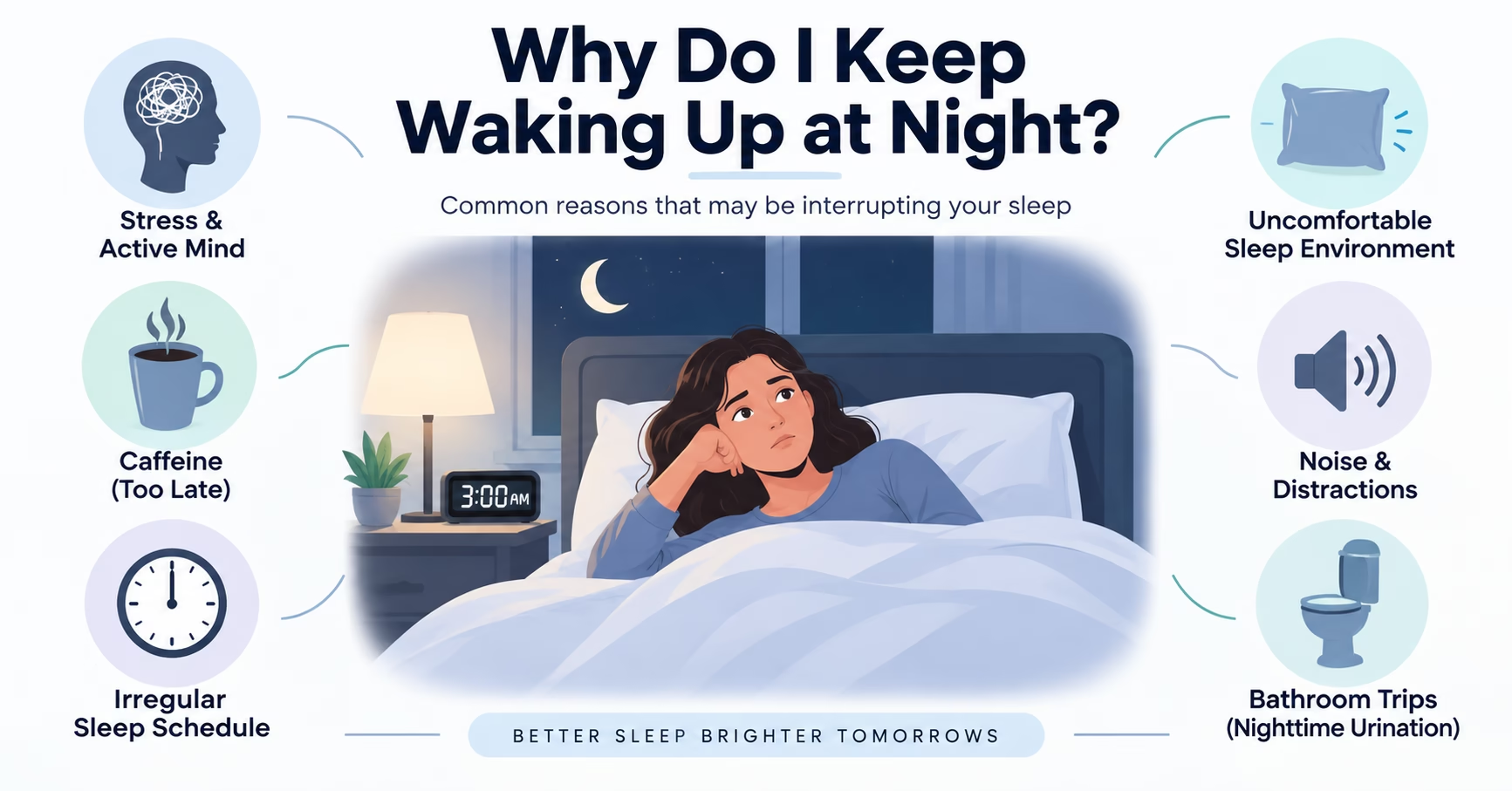
You fall asleep without much trouble, only to wake up a few hours later. You turn over, adjust your pillow, and close your eyes again. Sometimes you drift off quickly. Other nights, your mind becomes wide awake, and you spend what feels like hours waiting for sleep to return.
If this happens regularly, you may wonder why you cannot sleep through the night, even when you go to bed at a reasonable time.
Waking up briefly during the night is a normal part of sleep. You may shift positions, respond to a sound, or become aware of your surroundings for a moment before falling asleep again. The problem is when these awakenings happen frequently, keep you awake for long periods, or leave you feeling exhausted the following morning.
Several factors can contribute to nighttime awakenings, including stress, caffeine, alcohol, room temperature, physical discomfort, and changes in your sleep schedule. Sometimes, repeated awakenings may also indicate a sleep disorder or another health concern.
The good news is that understanding the possible cause can help you choose the right next step.
This guide explains why you may keep waking up at night, what you can do to sleep more comfortably, and when persistent sleep problems deserve professional attention.
Is It Normal to Wake Up During the Night?
Yes. Sleep is not a continuous state in which you remain completely unaware of your surroundings for eight hours.
Throughout the night, your body moves through different sleep stages. You may briefly awaken between stages or in response to changes in your environment. Many of these awakenings are short enough that you do not remember them the next morning.
For example, you might turn over, pull up your blanket, or briefly notice a sound before falling asleep again. If you feel rested during the day, these occasional awakenings may not be a concern.
However, waking up repeatedly and struggling to return to sleep is different.
You may notice that you wake several times each night, remain awake for 20 minutes or longer, or feel tired even after spending enough time in bed.
The Centers for Disease Control and Prevention (CDC) identifies repeated nighttime awakenings and feeling tired despite getting enough sleep as signs of poor sleep quality.
Most adults need at least seven hours of sleep each night, although individual needs vary. Getting enough hours matters, but the quality and continuity of your sleep matter, too.
If you regularly wake up at night and feel exhausted the next day, it is worth examining your habits, surroundings, and possible underlying causes.
1. Stress and Overthinking Are Disrupting Your Sleep
One of the most common reasons people wake up at night is stress.
You might fall asleep feeling tired, then wake around 2 or 3 a.m. and suddenly start thinking about an upcoming meeting, an unpaid bill, a family concern, or something uncomfortable that happened during the day.
When your surroundings are quiet, worries that were easier to ignore earlier may become more noticeable.
Stress can also make you more alert. If you wake briefly during the night and immediately begin worrying about getting enough sleep, you may find it harder to settle down again.
How to Manage Nighttime Overthinking
Try setting aside 10 to 15 minutes earlier in the evening to organize your thoughts.
Write down the tasks you need to complete, the concerns you want to address, and anything you are afraid of forgetting. For problems you can influence, identify one practical next step.
For example, if you are worried about an unfinished work assignment, write down the first task you will complete the next morning. You do not need to solve the entire problem while lying in bed.
You can also create a short wind-down routine with activities such as reading, listening to quiet music, or taking a warm shower.
What If You Wake Up With Racing Thoughts?
Remind yourself that you do not need to resolve every concern immediately.
Try a few comfortable breaths or gently focus on the feeling of your body resting against the mattress. If a thought appears, acknowledge it without following every detail.
Avoid checking the time repeatedly or calculating how many hours of sleep remain before your alarm. That can add another layer of pressure.
If anxiety or worry frequently interferes with sleep and everyday life, consider speaking with a qualified mental health professional.
2. Your Bedroom Is Too Hot, Cold, Bright, or Noisy
Sometimes, the reason you keep waking up at night is your sleeping environment.
You might fall asleep comfortably but wake when your room becomes too warm. Outside traffic, a barking dog, a bright security light, or a partner moving around can also disturb your rest.
These interruptions may seem minor, but repeated disturbances can make it difficult to get a continuous night’s sleep.
Make Your Bedroom More Comfortable
Start by identifying anything that regularly wakes you.
If your room becomes hot overnight, adjust the thermostat, use a fan if appropriate, or choose lighter bedding. If you feel cold, consider warmer sleepwear or an additional blanket.
For unwanted light, try curtains or a comfortable sleep mask. If noise is unavoidable, a fan or another suitable source of steady background sound may help mask sudden disturbances.
Your mattress and pillow can matter, too. If you frequently wake with neck, shoulder, or back discomfort, consider whether your sleeping position or bedding needs attention.
You do not need to purchase expensive sleep products. Simple environmental changes may be enough to make your room more comfortable.
The goal is to create a space where you can sleep without repeatedly reacting to light, sound, temperature, or physical discomfort.
3. Caffeine Is Affecting Your Sleep
Your afternoon coffee may still be affecting you long after you finish drinking it.
Caffeine is a stimulant found in coffee, tea, energy drinks, some soft drinks, and chocolate. It can remain active in your body for hours, and people differ in how sensitive they are to its effects.
You might fall asleep easily after drinking coffee late in the day but find yourself waking during the night or struggling to return to sleep.
Review When You Consume Caffeine
If nighttime awakenings are a regular problem, consider moving your last caffeinated drink earlier in the day.
For example, if you usually drink coffee around 5 p.m. and go to bed at 10:30 p.m., try an earlier cutoff and observe whether your sleep changes.
Remember that tea and energy drinks may also contain significant amounts of caffeine.
You do not necessarily need to give up coffee altogether. The aim is to understand whether its timing or quantity affects your sleep.
If you are particularly sensitive to caffeine, you may need to stop consuming it earlier than someone who notices little effect.
Keep track of the changes you make for a week or two rather than judging your sleep based on a single night.
4. Alcohol Is Making Your Sleep Less Restful
Alcohol may help you feel sleepy initially, but that does not mean it improves your sleep throughout the night.
As the effects of alcohol change, sleep can become lighter and more fragmented. You may wake more often or feel less refreshed the next morning.
For example, you might fall asleep quickly after an evening drink but wake at 3 a.m. and struggle to return to sleep.

Alcohol can also worsen breathing problems during sleep in some people, including obstructive sleep apnea.
What You Can Do
If you drink alcohol, notice whether nighttime awakenings are more common on the evenings when you consume it.
Avoid using alcohol as a sleep aid. If better sleep is your goal, consider reducing alcohol close to bedtime or avoiding it when you are evaluating what may be disturbing your rest.
If you take prescribed medication, remember that alcohol can interact with some medicines. Ask your healthcare professional or pharmacist about relevant risks.
You do not need to assume alcohol is the cause of every awakening, but it is an important factor to consider when reviewing your evening habits.
5. You Are Waking Up to Use the Bathroom
Sometimes the reason you keep waking up at night is straightforward: you need to urinate.
This is often called nocturia. It can happen after drinking a lot of fluid close to bedtime, but repeated nighttime bathroom trips may also have other causes.
You might notice that you wake once to use the bathroom and return to sleep easily. On other nights, getting up may leave you fully awake, making it harder to settle down again.
Adjust Your Evening Fluid Habits
If nighttime bathroom trips are frequent, consider drinking enough fluids throughout the day while avoiding unusually large amounts immediately before bed.
You may also want to reduce evening caffeine and alcohol, both of which can contribute to urinary symptoms or sleep disruption.
However, do not deliberately restrict fluids to the point of dehydration. Your hydration needs may be different if you have a medical condition or have been given specific medical advice.
When Bathroom Trips Need Attention
Repeated nighttime urination can be associated with several conditions, including diabetes, bladder problems, prostate enlargement, and sleep apnea.
If you regularly wake several times to urinate, particularly if this is new or accompanied by unusual thirst, discomfort, or other symptoms, discuss it with a healthcare professional.
The goal is to understand why it happens rather than simply trying to ignore the urge or drastically changing your fluid intake.
6. Sleep Apnea May Be Interrupting Your Breathing
One possible explanation for frequent nighttime awakenings is sleep apnea, a condition in which breathing repeatedly becomes interrupted or reduced during sleep.
Obstructive sleep apnea occurs when the upper airway becomes narrowed or blocked. These breathing disruptions can affect sleep quality even when you do not remember waking up.
Some people wake with a gasp, snore loudly, or feel as though they have not slept properly despite spending enough time in bed.
Signs to Watch For
Possible symptoms include:
- Loud, frequent snoring.
- Breathing pauses noticed by a partner.
- Gasping or choking during sleep.
- Waking with a dry mouth or headache.
- Repeated nighttime awakenings.
- Excessive daytime sleepiness or fatigue.
- Frequent nighttime urination.
Not everyone with sleep apnea experiences all these symptoms. Some people, especially those sleeping alone, may not realize their breathing is interrupted.
The National Heart, Lung, and Blood Institute recommends discussing possible sleep apnea symptoms with a healthcare provider. A sleep study may be needed to determine whether the condition is present.
Why You Should Not Ignore the Signs
Untreated sleep apnea can affect daytime alertness and is associated with health risks, including high blood pressure and cardiovascular problems.
If you regularly wake up gasping, have been told that you stop breathing during sleep, or experience significant daytime sleepiness, arrange a medical evaluation rather than relying only on bedtime adjustments.
Sleep apnea is treatable, and identifying it can help you find an approach suited to your needs.
7. Pain, Acid Reflux, or Physical Discomfort Is Waking You
Sometimes your sleep is interrupted by physical symptoms that become more noticeable when you lie down.
A sore back, stiff joints, heartburn, nasal congestion, or another source of discomfort may cause you to wake repeatedly.
For example, you might fall asleep comfortably but wake with a burning sensation in your chest after a late meal. Alternatively, shoulder pain may become worse when you remain in the same sleeping position for several hours.
Look for a Pattern
Pay attention to what you experience when you wake up.
Do you notice pain, coughing, congestion, a burning sensation, or discomfort in a particular sleeping position?
A sleep diary can help you identify whether awakenings occur after certain meals, activities, or medication changes.
You can try reasonable comfort adjustments, such as changing your sleeping position or avoiding a large meal close to bedtime.
If you experience frequent heartburn at night, repeated coughing, or persistent pain that interrupts sleep, discuss it with a healthcare professional. Treating the underlying problem may be more effective than simply trying to sleep through it.
Seek prompt medical attention for concerning symptoms such as severe chest pain or significant difficulty breathing rather than assuming they are ordinary sleep disturbances.
8. Restless Legs Syndrome Is Making It Hard to Stay Asleep
If you wake at night with uncomfortable sensations in your legs or an overwhelming urge to move them, restless legs syndrome may be a possibility.
This neurological condition often causes sensations described as crawling, pulling, itching, tingling, or aching. Symptoms typically become more noticeable when you are resting and may worsen during the evening or at night.
Moving your legs or walking around may provide temporary relief, but the uncomfortable sensations can return when you settle down again.
The National Institute of Neurological Disorders and Stroke explains that restless legs syndrome can interfere with falling asleep and staying asleep.
What Can Help?
If these symptoms sound familiar, note when they occur, what they feel like, and whether movement provides relief.
Restless legs syndrome can have several contributing factors, including iron deficiency in some people. A healthcare professional can evaluate the symptoms and decide whether blood tests or other assessment is appropriate.
Do not start taking iron supplements just because your legs feel uncomfortable. Too much iron can be harmful, and treatment depends on the cause.
If leg discomfort repeatedly interrupts your sleep, a medical evaluation may help identify the right treatment.
9. Your Sleep Schedule or Naps Are Affecting Your Nighttime Rest
Your body needs both sufficient sleep and an appropriate balance between time awake and time asleep.
If your bedtime changes substantially from one day to the next, or you take long naps late in the afternoon, your nighttime sleep may become less predictable.
You might go to bed early on weekdays, stay up much later on weekends, and then struggle to sleep through the night when you return to your usual schedule.
Shift work and frequent travel can create similar difficulties.
Keep Your Schedule Reasonably Consistent
Try going to bed and waking up at roughly the same times each day when practical.
If you nap, consider keeping it relatively short and earlier in the day if you notice that long or late naps make nighttime sleep harder.
Spend some time outdoors during daylight hours, and create a calmer evening environment as bedtime approaches.
You do not need to follow a rigid schedule. Parents, shift workers, and caregivers may have responsibilities that make consistency difficult.
Instead, work toward a routine that fits your life and provides enough opportunity for sleep.
10. Hormonal Changes or Medications May Be Contributing
Sleep patterns can change during different stages of life, and some medications or hormonal changes may contribute to nighttime awakenings.
For example, hot flashes and night sweats during perimenopause or menopause can interrupt sleep. Pregnancy, certain medications, thyroid conditions, and other health issues may also affect nighttime rest.
Some medicines can cause more frequent urination, discomfort, alertness, or changes in sleep patterns. Others may make you feel sleepy during the day without improving nighttime sleep.
Review Changes in Your Health or Routine
Consider whether your nighttime awakenings began around the same time as a new medication, a dose change, a health problem, or other changes in your life.
Record any associated symptoms, such as hot flashes, pain, increased thirst, or changes in urination.
A healthcare professional can review your medications and medical history to determine whether further evaluation is needed.
Do not stop or adjust prescribed medication without appropriate guidance. If you suspect a medicine is affecting your sleep, ask the prescribing clinician or pharmacist about possible alternatives or adjustments.
How to Fall Back Asleep After Waking Up at Night
When you wake unexpectedly, it is tempting to check the time, reach for your phone, or start worrying about how tired you will feel the following day.
These reactions can make you more alert and turn a brief awakening into a longer period of wakefulness.
Instead, try a calm, practical approach.
Avoid Checking the Clock Repeatedly
Seeing that it is 3 a.m. may trigger thoughts about how little sleep you have left.
Turn the clock away or avoid checking your phone. You do not need to calculate your remaining sleep time every few minutes.
Remind yourself that a brief awakening is not necessarily a problem and that your next step is simply to allow sleep to return.
Try Comfortable Breathing
Lie in a comfortable position and notice your natural breathing.
If it feels relaxing, allow your exhalation to be slow and gentle. When your mind wanders, acknowledge the thought and return your attention to the next breath.
Do not force deep breaths or treat the exercise as a test you must pass.
Get Out of Bed if You Become Frustrated
If you have been awake for a while and feel increasingly frustrated, consider getting up and moving to a quiet place with dim lighting.
Read a few pages of a book or do another calm activity that does not involve bright screens, work, or stressful content.
Return to bed when you feel sleepy again.
This strategy is part of stimulus control, a technique used in cognitive behavioral therapy for insomnia. It helps reduce the association between bed and frustration.
Build Better Habits to Reduce Nighttime Awakenings
Small daytime and evening changes may help you sleep more comfortably. You do not need to adopt every recommendation at once.
Start with the habits most relevant to your situation.
Keep a consistent wake-up time. Regular sleep and wake times can help support your body’s natural sleep-wake rhythm.
Create a wind-down routine. Spend the final 20 to 30 minutes before bed on quiet activities instead of rushing directly from work or chores into bed.
Reduce late caffeine. If you are sensitive to caffeine, move your last coffee or tea earlier in the day.
Limit alcohol close to bedtime. Alcohol can contribute to fragmented sleep even if it initially makes you feel sleepy.
Make your bedroom comfortable. Reduce unwanted light and noise and maintain a temperature that feels comfortable.
Stay physically active during the day. Walking or another activity you enjoy can support general health and may help with sleep.
Keep a sleep diary. Record your bedtime, awakenings, wake-up time, caffeine use, naps, and how rested you feel the next day. This can help reveal patterns that are otherwise difficult to notice.
According to the NHLBI’s guidance on insomnia treatment, healthy sleep habits include keeping a regular schedule, creating a sleep-friendly environment, and avoiding caffeine, nicotine, and alcohol close to bedtime.
When Should You See a Doctor About Waking Up at Night?
Occasional awakenings are normal, but frequent disturbances that affect your daily life deserve attention.
Consider speaking with a healthcare professional if you regularly wake up several times each night, struggle to return to sleep, or feel exhausted despite allowing enough time for rest.
It is especially important to seek an evaluation if you:
- Snore loudly, gasp during sleep, or have breathing pauses noticed by someone else.
- Experience significant daytime sleepiness.
- Wake repeatedly with pain, heartburn, or uncomfortable leg sensations.
- Need to urinate frequently at night.
- Have persistent night sweats or other new symptoms.
- Notice that sleep difficulties are affecting your concentration, mood, work, or relationships.
A clinician may ask about your sleep schedule, medical history, medications, caffeine and alcohol use, and the frequency of nighttime awakenings.
Depending on your symptoms, they may recommend a sleep diary, blood tests, or a sleep study.
If you have persistent insomnia, cognitive behavioral therapy for insomnia (CBT-I) is an established treatment that addresses the thoughts and behaviors contributing to sleep problems.
You do not need to wait until your sleep difficulties become severe before seeking advice.
Conclusion: Find Out What Is Interrupting Your Sleep
Waking up during the night does not always mean something is wrong. Brief awakenings are a normal part of sleep, but repeated disturbances that leave you tired can signal that something needs attention.
Stress, caffeine, alcohol, an uncomfortable bedroom, nighttime bathroom trips, pain, and irregular schedules are all possible contributors. Sleep apnea, restless legs syndrome, medication effects, and other health conditions may also play a role.
Start by noticing when the awakenings happen and what you experience at the time. A simple sleep diary can help you recognize patterns and decide which changes are worth trying.
Keep your schedule reasonably consistent, make your bedroom comfortable, and avoid turning nighttime awakenings into a source of worry.
If the problem continues or affects your daytime life, seek professional guidance rather than assuming it is something you must live with.
A better night’s sleep often begins with understanding what is interrupting it and taking practical steps to address the cause.
1 thought on “Why Do I Keep Waking Up at Night? Common Causes and Simple Solutions”