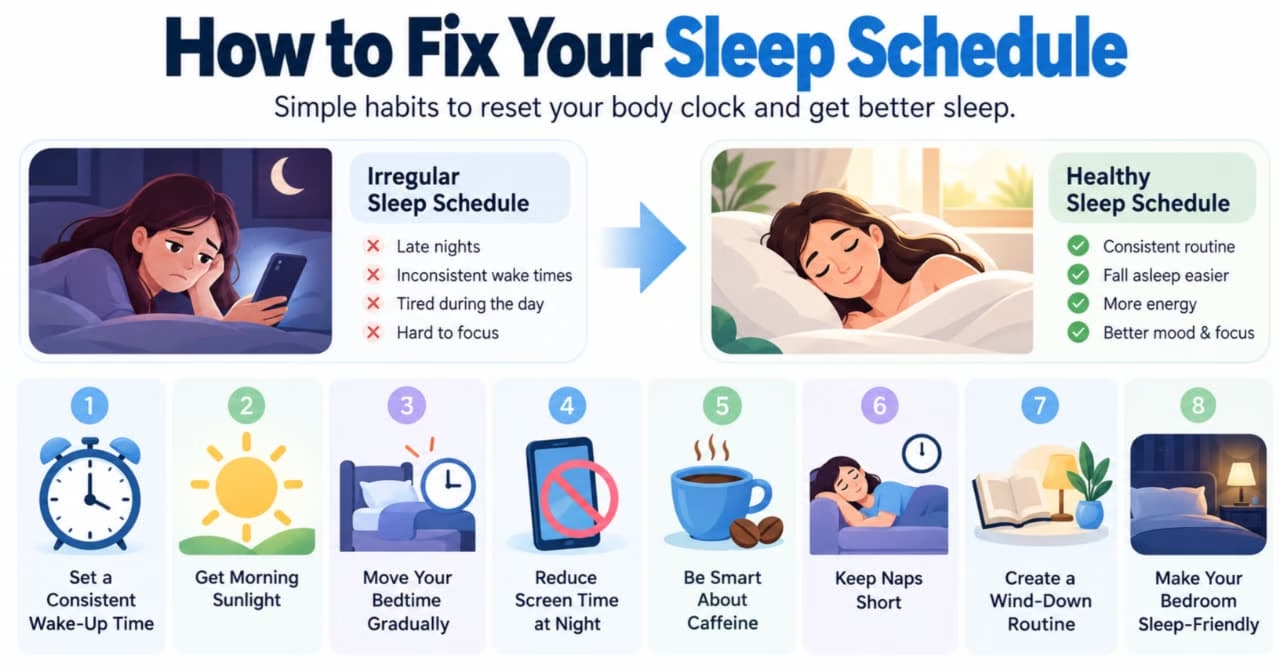
You stay awake until 2 a.m., struggle to get out of bed the next morning, and promise yourself that tonight will be different. But when bedtime arrives, you still do not feel sleepy. Before you know it, the same pattern repeats.
An irregular sleep schedule can make everyday life harder than it needs to be. You may feel exhausted during the morning, rely on coffee to stay alert, struggle to concentrate, or find yourself wide awake long after you intended to fall asleep.
The good news is that you can gradually reset your sleep schedule without completely changing your life overnight. Your body follows natural sleep-wake rhythms, and consistent routines, appropriate light exposure, and a realistic bedtime can help support those rhythms.
The key is to make changes your body can adapt to, rather than forcing yourself into an entirely different schedule in a single night.
Whether you have been staying up late, sleeping until noon on weekends, dealing with a disrupted routine, or adjusting after travel, this guide will show you how to fix your sleep schedule and build healthier sleep habits that are easier to maintain.
Why Does Your Sleep Schedule Get Disrupted?
Your sleep schedule is influenced by several factors, including your internal body clock, exposure to light, daily activities, and the amount of time you have been awake.
When these factors work together, you tend to feel sleepy at a fairly predictable time and become more alert as your day begins.
However, everyday habits can disrupt that pattern.
You might stay up late watching videos, work irregular hours, drink caffeine in the evening, or sleep much later on weekends. Over time, your preferred bedtime may drift away from the time you need to wake up.
Your Body Clock Has Shifted
Your circadian rhythm is an internal timing system that helps coordinate your sleep-wake cycle over roughly 24 hours. Light is one of its strongest environmental signals.
If you regularly receive bright light late at night and little light in the morning, your body clock may shift toward a later schedule. You may feel wide awake at midnight even when you would prefer to sleep at 10 p.m.
Your Daily Routine Is Inconsistent
Going to bed at different times each night can make your sleep schedule less predictable.
For example, you might wake up at 6:30 a.m. during the workweek but sleep until 11 a.m. on Saturday. After sleeping later, you may not feel sleepy at your usual bedtime that evening.
You Are Not Getting Enough Sleep
Sometimes, an irregular schedule begins because you stay up too late but still need to wake up early.
This can create a cycle of sleep deprivation, daytime fatigue, late naps, and difficulty falling asleep at the intended bedtime.
Understanding which pattern applies to you will help you choose the most useful adjustments.
Step 1: Choose a Consistent Wake-Up Time
If you want to fix your sleep schedule, begin by deciding when you need to wake up every day.
Although bedtime matters, your wake-up time is often a practical starting point because it determines when your day begins and helps organize the rest of your routine.
Choose a time that fits your work, school, family responsibilities, or other commitments.
For example, if you need to leave for work at 8 a.m., you might choose 6:30 or 7 a.m. as your regular wake-up time, depending on your morning routine.
Keep Your Wake-Up Time Consistent
Try to get up at roughly the same time every day, including weekends when practical.
You do not need to follow the schedule to the exact minute. The goal is to avoid large changes that repeatedly shift your sleep timing.
If you usually wake up at 11 a.m., suddenly setting an alarm for 6 a.m. may leave you severely sleep-deprived. Instead, move your wake-up time earlier gradually.
Once you are up, open the curtains, wash your face, and begin a simple morning activity.
Most importantly, make sure your chosen wake-up time leaves enough opportunity for sleep. Adults generally need at least seven hours per night, although individual needs vary. Do not sacrifice sleep simply to maintain an earlier alarm.
Avoid Repeatedly Hitting Snooze
When your alarm sounds, repeatedly snoozing may extend the time you spend half-awake without giving you much additional restorative sleep.
Place your alarm somewhere that requires you to get out of bed, if that is practical and safe for you.
If you feel particularly groggy in the morning, give yourself a few minutes to become fully alert before attempting demanding tasks.
Step 2: Adjust Your Sleep Schedule Gradually
One common mistake is trying to change a significantly delayed bedtime in a single night.
If you usually fall asleep at 2 a.m., getting into bed at 10 p.m. may leave you lying awake for hours. You may become frustrated and start associating bedtime with the feeling of not being able to sleep.
A gradual adjustment is often easier to maintain.
Move Your Schedule in Small Steps
Suppose your current routine is to fall asleep around 1:30 a.m. and wake up at 9:30 a.m. You would prefer to sleep from 11 p.m. until 7 a.m.
Rather than forcing yourself to go to bed two and a half hours earlier immediately, adjust your schedule in smaller increments.
You might begin by moving your wake-up time earlier by 15 to 30 minutes, maintaining it for several days, and then making another small adjustment if you are adapting comfortably.
Move your wind-down routine and bedtime earlier as you become sleepier at the new time, while keeping enough time available for rest.
The exact pace depends on how far your schedule has shifted, your work obligations, and how your body responds. Some people adjust relatively quickly; others need more time.
Do Not Confuse an Earlier Bedtime With More Sleep
Getting into bed earlier does not guarantee that you will fall asleep earlier.
If you are not sleepy yet, spend some time doing a quiet activity in dim light and return to bed when you feel ready for sleep.
Avoid deliberately restricting sleep to force an earlier bedtime. If your schedule remains difficult to change despite consistent efforts, a healthcare professional can help determine whether a circadian rhythm problem or another sleep condition is contributing.

Step 3: Get Natural Light in the Morning
Light exposure plays an important role in regulating your body’s internal clock.
When your goal is to shift toward an earlier sleep schedule, getting light after waking can help signal that your day has begun. Outdoor daylight is generally brighter than typical indoor lighting and can be a useful part of your morning routine.
Spend Time Outside After Waking
When possible, go outside for a short walk, sit in your yard, or spend a few minutes on a balcony after getting up.
You do not need an intense workout or a long outdoor session. The idea is to make daylight a regular part of your morning.
If the weather is unpleasant or you cannot go outside, open your curtains and spend time in a naturally bright room.
Avoid looking directly at the sun.
Keep Your Morning Routine Predictable
Combine light exposure with an activity you already do.
For example, you might walk after breakfast, drink your morning coffee near a bright window, or take a short outdoor break before starting work.
This makes the habit easier to remember and helps establish a consistent start to your day.
Light timing can affect people differently, especially those with significant circadian rhythm disorders or unusual work schedules. If you consistently cannot shift your sleep timing, a clinician may recommend a more specific plan.
The National Heart, Lung, and Blood Institute explains how regular routines and appropriately timed light exposure can help manage certain circadian rhythm disorders.
Step 4: Reduce Bright Light and Screen Use at Night
If bright light helps you feel awake in the morning, it makes sense to pay attention to your lighting in the evening as well.
Late-night light exposure, especially when combined with stimulating activities, can make it harder for some people to feel sleepy at their intended bedtime.
Your phone may be part of the problem, particularly if scrolling keeps you engaged long after you planned to stop.
Create a Screen-Free Period
Try putting your phone away for the final 30 minutes before bed. If that feels difficult, begin with ten minutes and extend the period gradually.
You can charge your phone away from your pillow, silence nonessential notifications, or use a focus setting to reduce interruptions.
If you rely on your phone for an alarm or important family communication, keep essential alerts available. You do not need to disconnect completely.
Dim the Lights as Bedtime Approaches
Use softer lighting in the evening when practical. Switch off unnecessary bright overhead lights and choose a comfortable lamp for reading or preparing for bed.
You should not feel that you need to sit in complete darkness hours before bedtime. Aim to reduce unnecessary stimulation rather than making your evening routine unnecessarily strict.
Choose activities that help you wind down, such as reading, listening to gentle music, or taking a warm shower.
Step 5: Be Careful With Caffeine and Late-Night Naps
Caffeine and naps can make a significant difference to when you feel sleepy.
Caffeine is a stimulant found in coffee, tea, energy drinks, some soft drinks, and chocolate. It can remain active in your body for hours, depending on the amount consumed and your individual sensitivity.
If you drink coffee late in the afternoon, you may find it harder to fall asleep at your intended bedtime.
Move Caffeine Earlier in the Day
If your sleep schedule is delayed, experiment with drinking your last caffeinated beverage earlier.
For example, if you typically drink coffee at 5 p.m. and aim to sleep at 10:30 p.m., try moving that last cup earlier and observe whether falling asleep becomes easier.
There is no single cutoff time that works for everyone. Pay attention to your own response.
Avoid Long, Late Naps
A nap can provide useful relief after a poor night, but long naps late in the afternoon or evening may reduce your drive to sleep at night.
If you are trying to move your bedtime earlier, consider avoiding late naps for a while.
If you need to nap because you are excessively sleepy, choose a safe and practical approach rather than forcing yourself to stay awake at all costs. Shift workers and people with unusual schedules may need different strategies.
The aim is to prevent naps from repeatedly pushing your bedtime later while making sure you still get adequate rest.
Step 6: Create a Consistent Bedtime Routine
A predictable evening routine can help you transition from daytime activity to sleep.
You do not need a long list of wellness activities. Choose two or three simple things that make your evening feel calmer and easier to manage.
Try a 30-Minute Wind-Down
About 30 minutes before bedtime, begin reducing stimulation.
You might prepare your clothes for tomorrow, finish a small household task, and then put your phone aside.
During the final 15 to 20 minutes, take a warm shower, read a book, stretch gently, or listen to relaxing music.
Once you are in bed, you can practice comfortable breathing or simply allow yourself to rest without expecting sleep to happen instantly.
Keep the Routine Realistic
Your routine should fit your life.
Parents, caregivers, students, and people who work late may not have 30 uninterrupted minutes every evening. On busy days, a shorter version is perfectly reasonable.
For example, you might put your phone away, prepare tomorrow’s essentials, and spend five minutes reading.

A routine you can maintain is more useful than an elaborate schedule that becomes another source of pressure.
Step 7: Make Your Bedroom Suitable for Rest
Your sleeping environment should support your goal of getting enough uninterrupted sleep.
A room that is too bright, noisy, warm, or uncomfortable may make it difficult to settle down, even when your schedule is improving.
Adjust the Temperature, Light, and Noise
Keep your bedroom comfortably cool, dark, and quiet when possible.
Curtains or a sleep mask may help if unwanted light enters the room. If noise is unavoidable, a fan or another suitable source of steady background sound may make sudden noises less noticeable.
Choose bedding that feels comfortable and supports your preferred sleeping position.
You do not need to buy expensive products. Start by changing whatever regularly disturbs your rest.
Keep Work Outside Your Bedtime Routine
If you regularly answer emails or complete work in bed, you may find it harder to separate your sleep time from your responsibilities.
When practical, use another place for work and keep your bed associated with sleep and rest.
Reading or listening to quiet music in bed may be fine if those activities help you wind down. Pay attention to whether they make you sleepier or keep you awake longer.
Step 8: Be Consistent on Weekends
Your weekend routine can have a significant effect on your sleep schedule during the week.
If you wake early on weekdays but sleep several hours later on Saturday and Sunday, your body clock may shift. Returning to your usual bedtime on Sunday night can then become more difficult.
This pattern is sometimes compared to jet lag because your body must adjust to a different schedule without actually traveling.
Keep Your Weekend Schedule Close to Your Weekday Routine
Try to keep your wake-up time within a reasonably similar range on days off, while allowing yourself enough time to rest.
You do not need to wake at the exact same minute every day. A modest difference may be practical, especially when you have social plans or family responsibilities.
If you have accumulated sleep debt, getting additional rest may be appropriate. The key is avoiding a repeated pattern in which late weekend mornings make it difficult to sleep at the right time during the week.
If you are consistently exhausted, focus on getting adequate sleep throughout the week rather than relying entirely on weekends to recover.
Step 9: Follow a Simple Seven-Day Reset Plan
If your schedule has become irregular, a short plan can make the changes easier to follow.
The goal is not to guarantee that you will have a perfect sleep schedule in seven days. Instead, use the week to establish a routine and notice what needs further adjustment.
Days 1–2: Observe Your Current Pattern
Record when you fall asleep, when you wake up, caffeine use, naps, and how rested you feel. Choose a realistic wake-up time that allows enough sleep.
Days 3–4: Strengthen Your Morning Routine
Get up at your planned time, seek natural daylight when practical, and begin your day with a predictable activity.
Days 5–6: Improve Your Evenings
Reduce bright light and unnecessary phone use before bed. Move caffeine earlier and begin a short wind-down routine.
Day 7: Review What Is Working
Check your sleep diary. Notice whether your sleep timing, morning energy, or ability to fall asleep has improved. Continue the helpful habits and adjust gradually.
If your current sleep schedule is several hours later than your target, you may need more than a week to adjust comfortably. Continue making gradual changes rather than sacrificing sleep to meet a deadline.
Step 10: Know When Your Sleep Schedule Needs Professional Help
An irregular sleep schedule often improves with consistent habits, but not every sleep problem can be fixed by changing your bedtime.
If you regularly cannot fall asleep until very late despite trying to go to bed earlier, your internal body clock may be delayed relative to your preferred schedule.
Other sleep disorders, medications, anxiety, depression, pain, and medical conditions can also affect when you sleep and how rested you feel.
Signs You Should Discuss With a Healthcare Professional
Consider making an appointment if you:
- Consistently struggle to fall asleep or stay asleep.
- Feel excessively sleepy during the day despite allowing enough time for sleep.
- Snore loudly, gasp during sleep, or have breathing pauses noticed by someone else.
- Experience persistent insomnia that affects your daily functioning.
- Have a sleep schedule that remains difficult to change despite consistent efforts.
A clinician can review your routine, medical history, medications, and symptoms. Depending on the situation, they may recommend a sleep diary, a sleep study, or evaluation for a circadian rhythm disorder.
Do not start melatonin or other sleep supplements simply to force an earlier bedtime. Timing matters for circadian treatments, and supplements can have side effects or interactions. Ask a healthcare professional whether a particular option is appropriate for you.
If you work rotating shifts, have recently traveled across time zones, or experience long-standing difficulty sleeping at conventional hours, specialized guidance may be more helpful than general sleep tips.
Conclusion: Build a Sleep Schedule You Can Maintain
Fixing your sleep schedule is not about forcing yourself to go to bed early one night and hoping everything changes by morning. It is about helping your body establish a more predictable pattern over time.
Start with a consistent wake-up time, get daylight during the day, reduce bright light in the evening, and make changes to caffeine and naps if they are affecting your sleep. Add a simple bedtime routine and keep your bedroom comfortable.
If your current schedule is far from your target, adjust gradually. Give yourself enough time to sleep rather than sacrificing rest to meet an earlier alarm.
Pay attention to how you feel during the day, too. If persistent tiredness or difficulty sleeping continues despite your efforts, seek professional advice rather than assuming your routine is the only problem.
You do not need to change everything at once. Choose one realistic adjustment today, repeat it when possible, and build from there. With consistency and enough opportunity for rest, a healthier sleep schedule can become a more natural part of your everyday life.