You feel exhausted after a long day, turn off the lights, and get comfortable in bed. Yet, as soon as your head touches the pillow, your mind starts working. You think about tomorrow’s responsibilities, replay conversations, or worry about things you cannot fix tonight. You check the time, realize you are still awake, and begin wondering how you will function the next morning.
If this sounds familiar, you are not alone. Difficulty falling asleep can happen when your mind is busy, your schedule is irregular, or your evening habits keep you alert longer than expected.
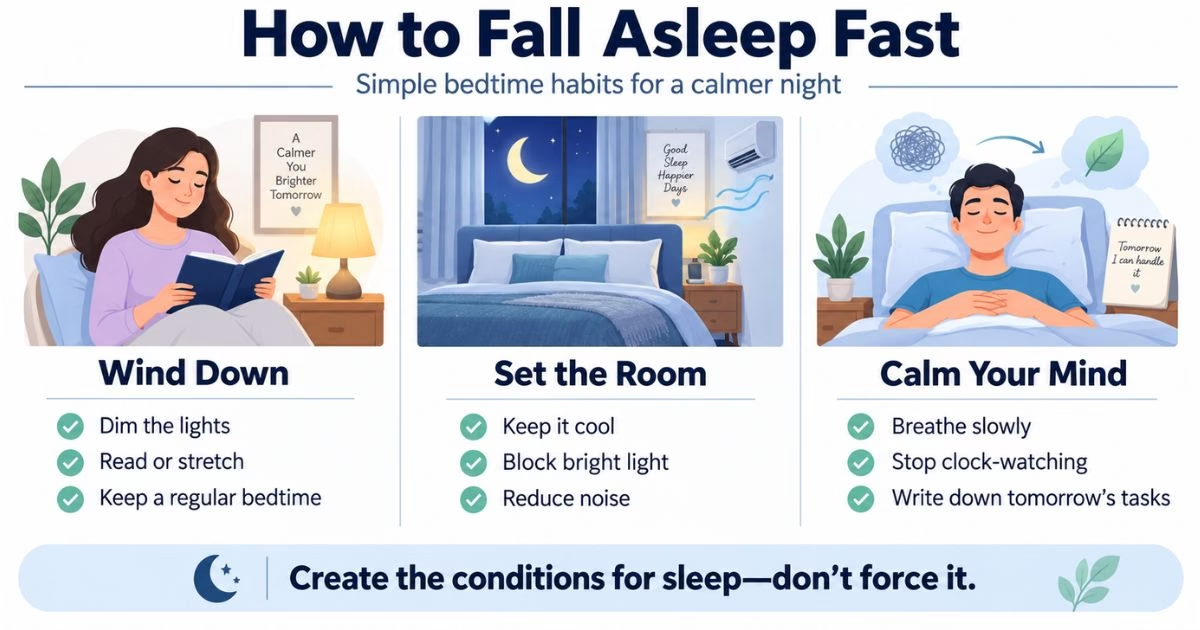
Learning how to fall asleep fast is not about forcing your body to sleep on command. In fact, worrying about how quickly you fall asleep can make bedtime feel more stressful. A better approach is to create the conditions that support sleep, reduce unnecessary stimulation, and give your body enough time to rest.
Small changes can make a difference. A consistent sleep schedule, a comfortable bedroom, gentle breathing exercises, and fewer late-night distractions are practical places to start.
Below are ten simple ways to sleep better, along with an easy nighttime routine you can try tonight.
1. Keep a Consistent Sleep Schedule
One of the most useful ways to support healthy sleep is to go to bed and wake up at roughly the same times each day.
Your body follows a natural sleep-wake rhythm influenced by light, daily activity, and regular routines. When your sleep schedule changes significantly from one day to the next, it may become harder to feel sleepy at the time you want.
For example, staying awake until 2 a.m. on weekends and trying to fall asleep at 10 p.m. on Sunday may leave you lying in bed waiting for sleep.
Choose a Realistic Bedtime
Start with the time you need to wake up. Then work backward to allow enough time for sleep.
Most adults need at least seven hours of sleep per night, although individual needs vary. If you have to wake up at 6:30 a.m., consider planning a bedtime that gives you enough opportunity to rest before that alarm sounds.
You do not need to follow the exact same schedule every day. Social plans, family responsibilities, and work shifts can affect your routine. Aim for reasonable consistency instead of perfection.
If you currently go to bed very late, make gradual adjustments rather than attempting to change your entire schedule overnight.
Avoid Going to Bed Too Early Just to Force Sleep
There is a difference between feeling tired and feeling sleepy. If you get into bed hours before you are ready to sleep, you may spend more time awake and become frustrated.
Follow a comfortable routine and go to bed when you feel sleepy, while making sure you leave adequate time for rest.
A regular schedule gives your body a more predictable pattern to follow. It will not guarantee that you fall asleep immediately, but it provides a useful foundation for better sleep.
2. Put Your Phone Away Before Bed
Checking your phone may seem like a harmless way to relax, especially after a demanding day. However, a quick look at social media can turn into 30 minutes of scrolling before you realize how much time has passed.
Messages, videos, work notifications, and breaking news can keep your attention engaged. Screen use can also expose you to light that affects your natural sleep-wake rhythm, particularly when it delays your bedtime.
Create a Screen-Free Period
Try putting your phone away for the final 20 to 30 minutes before bed.
You can make this easier by charging your phone away from your pillow, silencing nonessential notifications, or using a focus mode in the evening.
If you rely on your phone for an alarm or important family communication, you do not have to switch it off completely. Keep essential alerts available and limit unnecessary checking.
The objective is not to avoid technology entirely. It is to give yourself a break from the constant flow of information before sleep.
Replace Scrolling With Something Calming
Choose an alternative before you put your phone away. You could read a book, prepare your clothes for the next day, stretch gently, or listen to soft music.
If you use your phone to play relaxing sounds, select the recording beforehand, set a suitable sleep timer, and turn off the screen.
You may find that the hardest part is simply breaking the automatic habit of reaching for your phone whenever you have a quiet moment.
Start with a short screen-free period and make it longer as the routine becomes easier to follow.
3. Try Slow, Comfortable Breathing
When your mind is busy, even lying still can feel difficult. You may notice tight shoulders, a clenched jaw, or breathing that feels quicker than usual.
A simple breathing exercise gives you something specific to focus on without requiring much time or preparation.
Relaxation techniques are generally considered safe for most people, although research on their ability to treat insomnia on their own is limited. They may still be useful as part of an overall bedtime routine.
A Two-Minute Breathing Exercise
Lie comfortably on your back or sit in a quiet place before bed.
Follow these steps:
- Notice your natural breathing without trying to change it immediately.
- Breathe in gently through your nose if comfortable.
- Allow the breath to leave slowly and naturally.
- If it feels easy, make your exhalation slightly longer than your inhalation.
- Continue for one or two minutes without forcing the rhythm.
You do not need to take unusually deep breaths or hold your breath for a specific number of seconds.
If you feel dizzy, short of breath, or uncomfortable, stop the exercise and return to normal breathing.
Let Thoughts Come and Go
Suppose you suddenly remember an unfinished work task while breathing. Instead of trying to force the thought away, acknowledge it and return your attention to the next comfortable breath.
Your mind may wander repeatedly. That does not mean you are doing anything wrong.
The goal is to practice shifting your attention rather than expecting complete mental silence.
You can also use this exercise before getting into bed, especially after a stressful conversation or a busy evening.
4. Make Your Bedroom Comfortable for Sleep
Your sleeping environment can influence how easy it feels to settle down. A bedroom that is too bright, noisy, warm, or uncomfortable may make falling asleep more difficult.
You do not need an expensive bedroom makeover to create a more suitable environment. Start with a few practical adjustments.
Keep the Room Dark, Quiet, and Cool
When possible, reduce unwanted light with curtains or a sleep mask. If outside noise is a problem, consider suitable earplugs or a fan that creates a steady background sound.
Keep the room at a temperature that feels comfortable for sleeping. The ideal setting depends on your clothing, bedding, climate, and personal preferences.
Choose pillows and bedding that support a comfortable sleeping position.
If you cannot control everything about your environment, focus on what you can change. Moving a bright alarm clock away from your direct line of sight or reducing noise from another room may be a helpful starting point.
Separate Work From Your Sleeping Space
If you regularly answer emails, study, or finish work projects in bed, your sleeping area may become associated with daytime responsibilities.

When practical, complete these activities elsewhere. Let your bed become a place for sleep and quiet rest rather than a second office.
This does not mean you can never read or relax in bed. Pay attention to whether your activities help you wind down or encourage you to stay awake longer.
Small changes can make your bedroom feel more comfortable and less connected to the demands of the day.
5. Create a Relaxing Bedtime Routine
Going straight from a busy activity to bed can make it harder to settle down. Your body may be tired, but your attention is still occupied by work, messages, household chores, or entertainment.
A short bedtime routine gives you time to transition gradually from an active day to a quieter evening.
Follow a Simple Wind-Down Plan
Begin 20 to 30 minutes before your intended bedtime. You do not need to fill every minute with a structured activity.
You could take a warm shower, put on comfortable sleepwear, dim the lights, and read a few pages of a book.
Another option is to prepare the things you need for tomorrow, then spend the final part of the evening listening to relaxing music.
Choose activities that feel comfortable and repeat them when your schedule allows.
Keep the Routine Flexible
Your routine does not need to be exactly the same every night. Some evenings will be busy, and others will give you more time to relax.
On a demanding day, you might simply put your phone away and take a few comfortable breaths before bed. On a quieter evening, you may have time for reading and gentle stretching.
The purpose is to create a predictable transition, not another list of tasks you must complete perfectly.
A useful bedtime routine should make your evening feel easier, not more complicated.
6. Write Down Tomorrow’s Tasks Before Bed
Sometimes the reason you cannot fall asleep is that you are trying to remember too many things at once.
You may need to respond to an email, pay a bill, schedule an appointment, or prepare for a meeting. As soon as the room becomes quiet, these responsibilities begin competing for your attention.
Writing them down can help organize your thoughts and reduce the need to keep mentally reviewing every task.
Try a Five-Minute Brain Dump
Take a notebook and spend a few minutes recording whatever you need to remember.
Your list might look like this:
- Reply to an important email.
- Pick up groceries after work.
- Prepare notes for tomorrow’s meeting.
- Schedule a necessary appointment.
Next, choose a reasonable time to handle the most important tasks.
For example, instead of repeatedly thinking about an unfinished presentation, write down, “Review presentation at 9 a.m.”
You have not completed the work, but you have given it a place in tomorrow’s schedule.
Do Not Try to Solve Everything at Night
Some worries cannot be resolved with a task list. You might be concerned about a family issue, an uncertain decision, or something outside your control.
If you need to address the concern, record one practical next step. If no action is possible tonight, acknowledge that and return to your evening routine.
You do not have to answer every difficult question before you allow yourself to rest.
If writing about your worries makes you feel more anxious, keep your notes focused on practical tasks rather than lengthy emotional reflection.
7. Use Progressive Muscle Relaxation
Physical tension can remain even after you stop working. Your shoulders may feel tight after sitting at a computer, or your legs may feel uncomfortable after a long day on your feet.
Progressive muscle relaxation involves gently tightening and then releasing different muscle groups. It helps you pay attention to the difference between tension and relaxation.
How to Practice It
Lie comfortably in bed or sit in a supportive chair.
Start with your feet. Gently tighten the muscles for a few seconds, then release them and notice the change.
Continue gradually through your calves, thighs, hands, arms, shoulders, and face.
For example, you could curl your toes gently, hold the position briefly, and then allow them to relax completely.
Keep the movements mild and comfortable. Do not strain, hold your breath, or tighten muscles that are painful. Skip any area affected by an injury or condition that makes the exercise uncomfortable.
Focus on Releasing Tension, Not Achieving Perfection
You do not need to complete a full-body sequence every time. Begin with your shoulders and hands if those are the areas where you notice tension most often.
Some people find progressive muscle relaxation helpful as part of a broader approach to sleep. It is not guaranteed to make you fall asleep quickly, but it provides a simple way to focus on physical comfort rather than repeatedly checking whether you feel sleepy.
8. Avoid Caffeine and Alcohol Too Close to Bedtime
Your nighttime routine is only one part of your sleep habits. What you drink during the afternoon and evening can also influence how easily you fall asleep.
Caffeine is a stimulant found in coffee, tea, energy drinks, some soft drinks, and chocolate. It can remain in your system for hours, and people vary in how sensitive they are to its effects.
If you frequently struggle to fall asleep, consider moving your last caffeinated drink earlier in the day.
Pay Attention to Your Own Caffeine Pattern
You may be able to drink coffee in the morning without difficulty but notice that an afternoon cup affects your bedtime.
Try adjusting the timing and observing whether your sleep changes. Avoid assuming that everyone’s response will be the same.
Check the ingredients of energy drinks and other products you use regularly, since caffeine content can vary.
Do Not Use Alcohol as a Sleep Aid
Alcohol may make you feel sleepy initially, but it can contribute to lighter, more disrupted sleep later in the night.
If you drink alcohol, be aware that feeling drowsy does not necessarily mean you will get better-quality rest.
It may also help to avoid large meals close to bedtime if they cause indigestion or discomfort. Similarly, limiting large amounts of fluid immediately before bed can reduce nighttime bathroom trips for some people.

These adjustments are not about following rigid rules. They are ways to identify and reduce habits that may interfere with your rest.
9. Get Regular Daytime Activity and Natural Light
What you do during the day can affect how ready you feel for sleep at night.
Spending time outdoors, getting natural light, and being physically active are useful parts of a healthy daily routine. They can help support your natural sleep-wake timing and overall well-being.
You do not need an intense workout or a complicated exercise schedule to begin.
Move Your Body During the Day
Walking, cycling, swimming, gardening, or another activity you enjoy can help you stay physically active.
If you work at a desk, try taking short movement breaks instead of remaining seated for several hours without interruption.
Choose activity appropriate for your fitness level and circumstances. If vigorous exercise close to bedtime makes you feel more alert, schedule demanding workouts earlier in the day.
Spend Some Time Outdoors
When possible, spend time outside during daylight hours. A morning walk, an outdoor lunch break, or a few minutes in a garden can provide a convenient way to get natural light.
Your schedule may not always allow this, especially if you work overnight or spend much of the day indoors. Make reasonable adjustments rather than treating outdoor time as another strict requirement.
Daytime habits work alongside your nighttime routine. They do not guarantee immediate sleep, but they can help establish a healthier foundation.
10. Stop Trying to Force Yourself to Sleep
One of the most frustrating parts of being awake at night is feeling that you must fall asleep immediately.
You may start calculating how many hours remain before your alarm, worrying about how tired you will feel tomorrow, or repeatedly checking the clock.
Unfortunately, this can make bedtime feel like a performance you are failing rather than an opportunity to rest.
Take the Pressure Off
Instead of telling yourself that you must fall asleep within a certain number of minutes, focus on getting comfortable.
Allow your body to rest, breathe naturally, and stop checking whether sleep has arrived.
You can remind yourself that an occasional difficult night is normal. One imperfect night does not automatically mean you will have a terrible day tomorrow.
Avoid watching the clock repeatedly, since doing so can increase anxiety about the time remaining.
Get Out of Bed if You Become Frustrated
If you are lying awake and becoming increasingly frustrated, consider getting out of bed for a short time.
Move to a comfortable place with dim lighting and do something quiet, such as reading a few pages of a book. Return to bed when you feel sleepy.
Avoid starting work, scrolling through social media, or turning on bright lights that may make you more alert.
This approach can help you avoid spending long periods in bed associating the space with frustration.
The aim is not to control exactly when sleep happens. It is to create an environment where sleep has a better opportunity to occur naturally.
A Simple Nighttime Routine You Can Try Tonight
If you are unsure where to begin, try this straightforward routine. Adjust the timing according to your regular bedtime.
30 minutes before bed: Write down tomorrow’s main tasks and put your phone aside.
20 minutes before bed: Take a warm shower or prepare your bedroom for rest.
10 minutes before bed: Dim the lights and read a few pages of a book or listen to gentle music.
When you get into bed: Try a comfortable breathing exercise or progressive muscle relaxation if it feels helpful.
If you remain awake and frustrated: Stop checking the time. Consider a quiet activity in dim light until you feel sleepy, then return to bed.
You do not have to follow every step each night. Start with the changes that address your biggest difficulties and build a routine that fits your life.
When Difficulty Falling Asleep Needs Professional Help
Occasional sleeplessness can happen to anyone. However, regularly struggling to fall asleep may be a sign that you need more than a few changes to your bedtime routine.
If you frequently have trouble sleeping, wake during the night, or feel exhausted during the day despite allowing enough time for rest, consider speaking with a qualified healthcare professional.
A clinician can assess possible contributing factors, including medication effects, stress, pain, breathing problems during sleep, or other health conditions.
For chronic insomnia, cognitive behavioral therapy for insomnia (CBT-I) is a recommended treatment. It is a structured approach that helps address thoughts and behaviors that can maintain sleep difficulties. Learn more from the National Heart, Lung, and Blood Institute’s insomnia treatment guidance.
Avoid starting sleep medications or supplements simply because you want an immediate solution. Their suitability, potential side effects, and interactions can vary. A healthcare professional can help you understand which options may be appropriate.
Good sleep habits are worth developing, but persistent sleep problems deserve proper attention rather than endless attempts to fix them on your own.
Conclusion: Make Better Sleep a Little Easier
Learning how to fall asleep fast is less about discovering one perfect trick and more about creating the right conditions for rest.
A consistent schedule, a comfortable bedroom, fewer late-night distractions, and a relaxing wind-down routine can all support healthier sleep habits. Gentle breathing, progressive muscle relaxation, and writing down tomorrow’s tasks may also help you manage the thoughts and tension that sometimes keep you awake.
You do not need to change everything tonight. Choose one or two habits that feel realistic, practice them consistently when possible, and notice what works for you.
Remember that sleep is not something you can always force. Some nights will take longer than others, even when you follow a good routine. Try to avoid turning the process into another source of pressure.
Start with a small change tonight. Put your phone away earlier, prepare tomorrow’s to-do list, or spend two quiet minutes focusing on your breathing. Over time, these ordinary habits can help you build a more comfortable relationship with bedtime and give yourself a better opportunity to sleep well.
2 thoughts on “How to Fall Asleep Fast: Simple Ways to Sleep Better”