You get into bed at 10 p.m., wake up at 6 a.m., and assume you have done everything right because you slept for eight hours. But what if you still feel tired? Or perhaps you feel perfectly refreshed after seven hours and wonder whether you really need more sleep.
These are common questions, and the answers are not exactly the same for everyone.
Sleep is essential for your body and mind. It supports memory, concentration, emotional well-being, and everyday physical health. Yet the amount of sleep you need depends on factors such as your age, individual biology, health, and daily routine.
For most adults, seven to nine hours of sleep per night is a useful general guideline. However, getting enough hours is only part of the picture. The consistency and quality of your sleep also matter.
Understanding how much sleep adults really need can help you build a healthier routine, recognize signs that you are not getting enough rest, and make better decisions about your bedtime.
In this guide, you will learn the recommended sleep duration for adults, why your needs may differ from someone else’s, how to tell whether you are getting enough sleep, and what to do if you regularly wake up feeling tired.
How Many Hours of Sleep Do Adults Need?
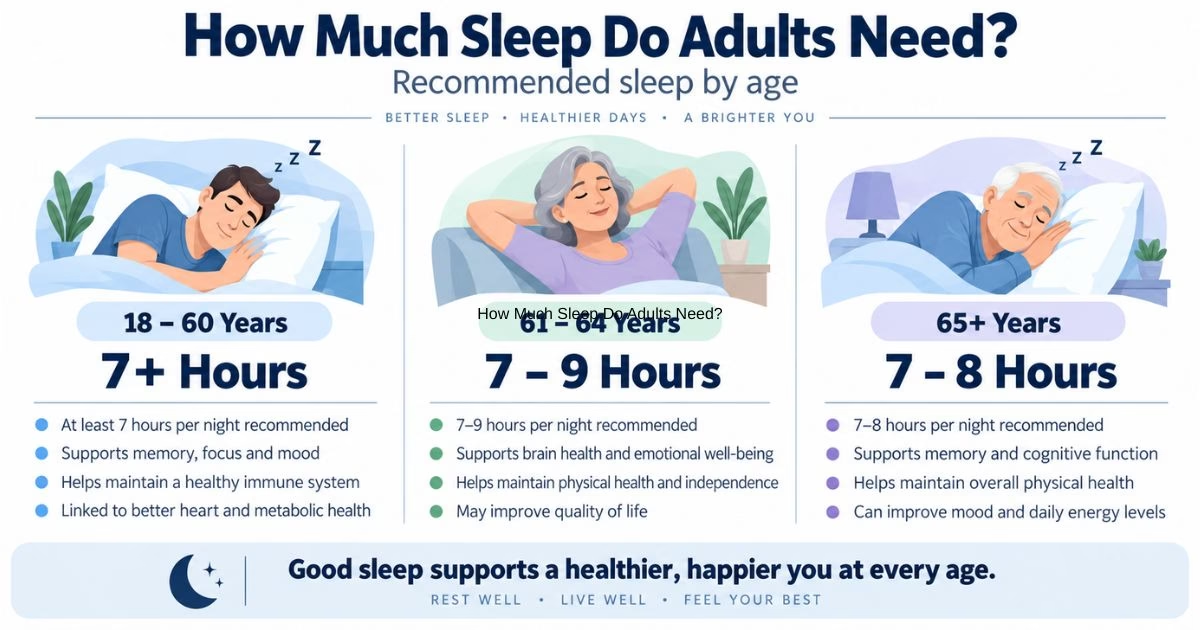
Most adults need at least seven hours of sleep per night, and many do best with seven to nine hours.
The Centers for Disease Control and Prevention (CDC) provides age-based sleep recommendations. For adults, the recommended amount varies slightly depending on age.
Here is a simple overview for adults in the United States.
| Age group | Recommended sleep per night |
|---|---|
| Ages 18–60 | 7 or more hours |
| Ages 61–64 | 7–9 hours |
| Ages 65 and older | 7–8 hours |
These recommendations provide a starting point rather than an exact requirement for every person. Some adults feel rested after around seven hours, while others consistently need closer to nine hours.
For example, one person may wake up naturally after seven and a half hours and remain alert throughout the day. Another may need eight and a half hours to concentrate comfortably and feel well rested.
Neither person necessarily has a problem. Individual sleep needs can vary.
It is also important to distinguish between the time you spend in bed and the time you actually spend sleeping. If you lie down at 10 p.m. but take 30 minutes to fall asleep, waking at 6 a.m. does not give you eight full hours of sleep.
The aim is to get enough actual sleep, at a reasonably consistent time, while allowing yourself to feel refreshed and function well during the day.
Why Is Sleep So Important for Adults?
Sleep is not simply a period when your body stops working. It is an active biological process that supports several functions important to your daily life.
When you regularly get enough quality sleep, you are generally better positioned to concentrate, make decisions, remember information, and respond to everyday challenges.
Sleep Supports Brain Function
Have you ever tried completing an ordinary task after a particularly short night? You might reread the same email several times, forget why you entered a room, or find it difficult to pay attention during a conversation.
Insufficient sleep can affect memory, learning, reaction time, and decision-making.
During sleep, the brain goes through different stages that contribute to learning and memory. Adequate rest helps support the processes involved in remembering information and using it the following day.
This matters whether you are working, studying, managing a household, or simply trying to stay mentally sharp throughout the day.
Sleep Helps Regulate Mood
Lack of sleep can make everyday frustrations feel more difficult to handle.
You might become impatient during a conversation, feel more emotionally sensitive, or find it harder to manage a stressful situation.
Getting enough sleep supports emotional well-being, although sleep alone cannot prevent every mood-related difficulty. Stress, mental health, relationships, and other circumstances also play a role.
Sleep Supports Physical Health
Healthy sleep is associated with several aspects of physical health, including immune function, metabolic health, and cardiovascular health.
Regularly getting too little sleep has been associated with a greater risk of several health problems, including high blood pressure, type 2 diabetes, and heart disease.
That does not mean one short night will automatically harm your health. The concern is a persistent pattern of inadequate sleep.
Making time for sleep is one part of maintaining overall health, alongside nutritious food, physical activity, preventive healthcare, and other healthy habits.
Is Eight Hours of Sleep Enough for Everyone?
Eight hours is a useful target, but it is not a universal requirement.
Some adults feel good with seven and a half hours, while others need closer to nine hours to feel consistently refreshed. Your individual sleep requirement may also change temporarily when you are recovering from illness, dealing with an unusually demanding schedule, or catching up after several short nights.
The American Academy of Sleep Medicine recommends that adults regularly obtain at least seven hours of sleep to promote optimal health. Its guidance does not establish a strict upper limit that applies to everyone.
Signs That Eight Hours May Be Enough
You may be getting an appropriate amount of sleep if you generally:
- Wake up feeling reasonably refreshed.
- Feel alert during most of the day.
- Can concentrate on work and everyday tasks.
- Do not regularly struggle to remain awake during quiet activities.
- Maintain a fairly consistent sleep schedule without depending heavily on alarms and repeated snoozing.
These signs are not a medical test, but they can help you understand how your routine is working.
Signs That You May Need More Sleep
Consider whether you might benefit from more sleep if you frequently feel exhausted in the morning, become very sleepy in the afternoon, or rely on several cups of coffee just to remain alert.
You may also find yourself sleeping much longer on days when you have no alarm. That can sometimes indicate that your usual schedule does not allow enough rest.
However, persistent tiredness does not always mean you need more hours. Poor sleep quality, stress, medications, and sleep disorders can also leave you feeling exhausted after a seemingly adequate night.
If extending your sleep opportunity does not improve your energy, look beyond sleep duration alone.
Does Your Age Affect How Much Sleep You Need?
Sleep patterns often change as people get older, but the idea that older adults no longer need much sleep is misleading.
Adults generally continue to need substantial nightly rest throughout adulthood. What may change is when they feel sleepy, how easily they stay asleep, and how often they wake during the night.
Young Adults
Young adults may have changing schedules because of college, work, social activities, or other responsibilities.
Late nights followed by early mornings can make it difficult to maintain a consistent sleep pattern. A regular schedule and enough time for rest can help prevent ongoing sleep restriction.
Some young adults may also need more sleep temporarily when recovering from accumulated sleep loss.
Middle-Aged Adults
Work demands, parenting, caregiving, commuting, and household responsibilities can compete with sleep.
Someone who regularly works late and wakes early may gradually get less rest than they realize. Even if this feels normal, persistent sleep restriction can affect daytime alertness and functioning.
Protecting a consistent sleep window may help, particularly when evening activities routinely push bedtime later.
Older Adults
Older adults generally continue to need around seven to eight hours of sleep, although individual needs differ.
They may become sleepy earlier in the evening and wake earlier in the morning. Sleep can also become lighter or more fragmented with age.
Health conditions, medications, pain, and changes in daily activity may affect nighttime rest.
Persistent sleep difficulties should not automatically be dismissed as a normal part of aging. If an older adult regularly feels exhausted, wakes frequently, or experiences significant daytime sleepiness, speaking with a healthcare professional may help identify possible causes.
How Can You Tell Whether You Are Getting Enough Sleep?
The number of hours you sleep is useful information, but your daytime experience matters too.
A full night in bed does not necessarily mean you received enough uninterrupted, restorative sleep. You might spend eight hours in your bedroom but wake several times during the night or have difficulty falling asleep in the first place.
Instead of focusing only on a number, look for patterns in your energy, concentration, and sleep schedule.
Pay Attention to Your Morning Energy
Most people need a little time to become fully alert after waking. Temporary morning grogginess can occur even after adequate sleep.
However, if you regularly wake up exhausted and remain tired throughout the morning, it is worth reviewing your sleep routine and other possible causes.
Ask yourself whether you feel more alert after getting out of bed, opening the curtains, and moving around. Also consider whether you remain sleepy for hours despite having adequate time to rest.
Notice Your Daytime Alertness
Think about how you feel during ordinary activities.
Do you struggle to concentrate while reading? Do you unintentionally doze off while watching television? Do you feel unusually sleepy during meetings or while sitting quietly?
These experiences can be clues that you are not getting adequate or good-quality sleep.
Excessive daytime sleepiness can also be associated with sleep disorders or other health conditions, so it should not automatically be attributed to a busy lifestyle.
Watch What Happens on Days Without an Alarm
Your sleep patterns on weekends or holidays can offer useful information.
If you regularly sleep much longer when you do not need to wake up at a particular time, you may be accumulating sleep debt during the week.
However, sleeping late on a free day does not prove that you are sleep deprived. Changes in your routine, bedtime, and natural sleep timing can also affect how long you sleep.
Use these observations as clues rather than firm conclusions about your health.
What Is Sleep Debt, and Can You Catch Up on Sleep?
Sleep debt refers to the sleep you miss when you regularly get less rest than your body needs.
Imagine that you generally function best with eight hours of sleep but get only six hours from Monday through Friday. By the end of the workweek, you may have accumulated a significant amount of lost sleep.
You might try to make up for it by sleeping until noon on Saturday and Sunday.
Although sleeping longer can help you recover from some sleep loss, it does not always fully reverse the effects of an ongoing pattern of insufficient sleep. Large differences between weekday and weekend schedules can also make it harder to maintain a consistent sleep-wake rhythm.
Why Staying Up Late Can Catch Up With You
A short night may not immediately feel serious. You might manage the next day with coffee, a busy schedule, and determination.
But if short nights become routine, you may notice more difficulty concentrating, greater irritability, slower reactions, or stronger urges to nap.
Some people underestimate how much their alertness is affected because they become accustomed to feeling tired.
How to Reduce Sleep Debt
The most practical approach is to start making sleep a regular priority rather than relying only on weekend recovery.
If your schedule allows, give yourself a little more time for sleep and keep your wake-up time reasonably consistent. Avoid repeatedly cutting sleep short to make room for late-night television, work, or phone use.
You do not need to correct every missed hour in a single weekend.
If you are persistently exhausted despite allowing adequate sleep, consider whether poor sleep quality or another issue could be contributing.
Why You Might Still Feel Tired After Eight Hours of Sleep
If you regularly sleep for eight hours but wake up exhausted, the problem may not be the duration alone.
Several factors can affect how rested you feel.
Poor Sleep Quality
Frequent awakenings can interrupt your sleep even when you do not remember every interruption.
Noise, light, discomfort, pain, and other disturbances may reduce how restorative your sleep feels.
An Irregular Sleep Schedule
Going to bed at very different times during the week can make it harder to establish a consistent sleep pattern.
Your body may need time to adjust when your sleep timing changes frequently.
Caffeine and Alcohol
Caffeine consumed late in the day may interfere with sleep, depending on the amount and your sensitivity.
Alcohol can make you feel sleepy initially but may contribute to disrupted sleep later in the night.
Stress and Anxiety
Worries about work, money, family, or upcoming decisions can make it difficult to fall asleep or return to sleep after waking.
A short evening wind-down routine may help you transition away from these concerns, although persistent anxiety may require additional support.
Sleep Disorders or Other Health Problems
Conditions such as sleep apnea, insomnia, and restless legs syndrome can affect sleep quality. Other medical issues and certain medications may also contribute to fatigue.
If tiredness continues despite healthy habits and adequate time for sleep, consider discussing it with a healthcare professional rather than assuming you simply need more hours.
How to Get Better Sleep Every Night
Once you have a general idea of your sleep needs, the next step is building habits that make adequate rest easier to achieve.
You do not need a complicated routine. Focus on a few changes you can maintain over time.
1. Keep Your Bedtime and Wake-Up Time Consistent
Choose a regular sleep schedule that fits your responsibilities and allows enough time for rest.
Try to keep your wake-up time similar on weekdays and weekends. If you need to change your schedule, make gradual adjustments when practical.
Consistency can help your body anticipate when it is time to sleep and when it is time to become alert.
2. Get Natural Light During the Day
Daylight provides an important cue for your body’s internal clock.
Try spending time outdoors during the morning or earlier part of the day. A short walk, gardening, or an outdoor lunch break can fit naturally into many schedules.
If you work overnight or follow rotating shifts, your light exposure needs may differ. Focus on a routine that supports your main sleep period.
3. Create a Relaxing Evening Routine
Give yourself a short wind-down period before bed.
You might take a warm shower, read a book, prepare tomorrow’s tasks, or listen to gentle music.
Reduce stimulating activities when possible, particularly those that regularly delay your bedtime.
You do not need to eliminate screens entirely. Instead, set boundaries that make it easier to stop scrolling and move toward rest.
4. Make Your Bedroom Comfortable
Keep your bedroom dark, quiet, and comfortably cool when possible.
Use curtains or a sleep mask if unwanted light is a problem. Consider suitable ways to reduce noise, and choose bedding that helps you feel comfortable.
You do not need expensive equipment. A few practical changes can make your sleeping environment more pleasant.
5. Be Mindful of Caffeine
Coffee, tea, energy drinks, and some other products contain caffeine that can remain active for hours.
If you have difficulty falling asleep, consider moving your last caffeinated drink earlier in the day.
The best timing depends on your bedtime and individual sensitivity. Notice how changes affect your sleep instead of assuming everyone responds the same way.
6. Stay Physically Active
Regular physical activity supports overall health and may help with sleep.
Walking, cycling, swimming, and other activities you enjoy can all contribute. Choose activity appropriate for your abilities and circumstances.
If vigorous exercise late in the evening makes you feel more alert, schedule it earlier.
7. Use Naps Carefully
Short naps can help some people feel more alert, especially after an unusually poor night. However, long or late-afternoon naps may make it harder to fall asleep at your usual bedtime.
If you nap, try keeping it relatively short and earlier in the day.
If you need frequent naps to function despite getting enough nighttime sleep, consider whether an underlying sleep problem or other health issue deserves evaluation.
Can You Sleep Too Much?
Long sleep duration does not automatically mean something is wrong.
Sleeping longer than usual can be appropriate when you are recovering from several short nights, feeling unwell, or experiencing a temporary increase in your sleep needs.
Some people naturally need more sleep than others, and individual circumstances matter.
However, regularly sleeping well beyond your usual amount while still feeling exhausted may deserve attention.
For example, if you consistently sleep ten or eleven hours but still struggle to remain awake during the day, the issue may involve sleep quality, a medical condition, medication effects, or another factor.
Long sleep can sometimes be associated with poor health, but the relationship is complex. It does not necessarily mean sleeping longer is causing the problem.
Rather than forcing yourself to reduce your sleep without understanding the reason, discuss persistent excessive sleepiness with a healthcare professional.
The goal is not to achieve the smallest possible amount of sleep. It is to get the amount your body needs while maintaining good daytime functioning.
Should You Use Sleep Supplements to Get More Rest?
Sleep supplements are often marketed as an easy way to fall asleep or improve sleep quality. However, more is not always better, and a product being labeled natural does not guarantee that it is safe or appropriate for you.
Melatonin, for example, is a hormone involved in regulating sleep timing. It may be useful for certain circumstances, but it is not a universal solution for every sleep difficulty.
Supplements can also vary in quality, dose, and potential interactions with medications.
If you regularly struggle to sleep, start by reviewing your schedule and bedtime habits. If the problem continues, speak with a qualified healthcare professional before relying on supplements or over-the-counter sleep aids.
A professional can help determine whether your difficulty relates to sleep timing, insomnia, another sleep disorder, or a different health concern.
When Should You Talk to a Healthcare Professional?
Occasional tiredness after a poor night is common. However, you should not have to struggle with persistent exhaustion as a normal part of adulthood.
Consider making an appointment if you regularly:
- Wake up tired despite allowing enough time for sleep.
- Feel excessively sleepy during the day.
- Have difficulty falling asleep or staying asleep on a regular basis.
- Snore loudly, gasp during sleep, or experience pauses in breathing noticed by someone else.
- Wake up with headaches or frequently wake during the night.
- Find that tiredness is affecting work, relationships, concentration, or everyday activities.
A healthcare professional may ask about your sleep schedule, daytime energy, medications, caffeine use, and other symptoms. Keeping a sleep diary for a week or two can make that conversation more useful.
Depending on your symptoms, the clinician may recommend a sleep study or other evaluation.
If you feel dangerously sleepy while driving, do not try to push through it. Pull over somewhere safe and arrange another way to travel.
Persistent fatigue deserves attention, particularly when it occurs despite consistently allowing enough time for sleep.
Conclusion: Find the Amount of Sleep That Works for You
So, how much sleep do adults really need? For most adults, at least seven hours is a sensible starting point, and many feel their best with seven to nine hours each night.
Eight hours is not a magic number that works perfectly for everyone. Your sleep needs may depend on your age, individual biology, daily schedule, and health.
Pay attention to more than the time on your clock. Consider whether you wake up feeling refreshed, remain alert during the day, and sleep reasonably well throughout the night.
If you regularly feel tired, review your sleep schedule, evening habits, caffeine use, and sleeping environment. Give yourself enough time to rest and make changes gradually.
And remember that persistent exhaustion is not always a sign that you need more sleep. Poor sleep quality, sleep disorders, medication effects, and other health conditions can all contribute.
Start by giving your body a consistent opportunity to rest. If you still struggle despite doing so, seek professional guidance to understand what may be affecting your sleep.
The right amount of sleep is the amount that supports your health and helps you function well—not simply the number of hours that looks ideal on paper.
2 thoughts on “How Much Sleep Do Adults Really Need?”