You feel exhausted after a long day, turn off the lights, and settle into bed. But instead of falling asleep, your mind starts working overtime. You remember an unfinished task, worry about tomorrow’s responsibilities, or replay a conversation you wish had gone differently. You check the clock, turn over, and wonder why you are still awake.
If you frequently ask yourself, “Why can’t I sleep at night?” you are not alone. Trouble falling asleep can happen to anyone, especially during stressful periods or when daily routines change.
Sometimes, the cause is relatively simple. You may be drinking coffee too late, spending too much time on your phone, or going to bed before you feel sleepy. In other situations, stress, medications, irregular working hours, or an underlying sleep condition may be contributing to the problem.
The good news is that you can take practical steps to improve your chances of getting a restful night. You do not need expensive sleep products or a complicated nighttime routine to begin.
This guide explains ten common reasons you may struggle to sleep at night, simple changes that can help, and signs that it may be time to speak with a healthcare professional.
Why Can’t I Sleep at Night Even When I’m Tired?
Feeling tired does not always mean your body is ready to fall asleep. You may feel physically exhausted after work while your mind remains alert because you are thinking about responsibilities, processing emotions, or worrying about the following day.
Your sleep schedule and surroundings can also influence when you feel sleepy. Bright lights, late caffeine, stimulating activities, and an uncomfortable bedroom may make it harder to settle down.
According to the National Heart, Lung, and Blood Institute, insomnia involves difficulty falling asleep, staying asleep, or getting good-quality sleep despite having enough time and suitable conditions for rest.
An occasional sleepless night does not necessarily mean you have insomnia. Temporary sleep difficulties can follow a stressful event, travel, an illness, or a change in your routine.
However, when the problem becomes frequent and begins affecting your daily life, it deserves attention.
Before trying to force yourself to sleep, consider what might be keeping you awake. Identifying the likely cause can help you choose a practical solution instead of trying random remedies.
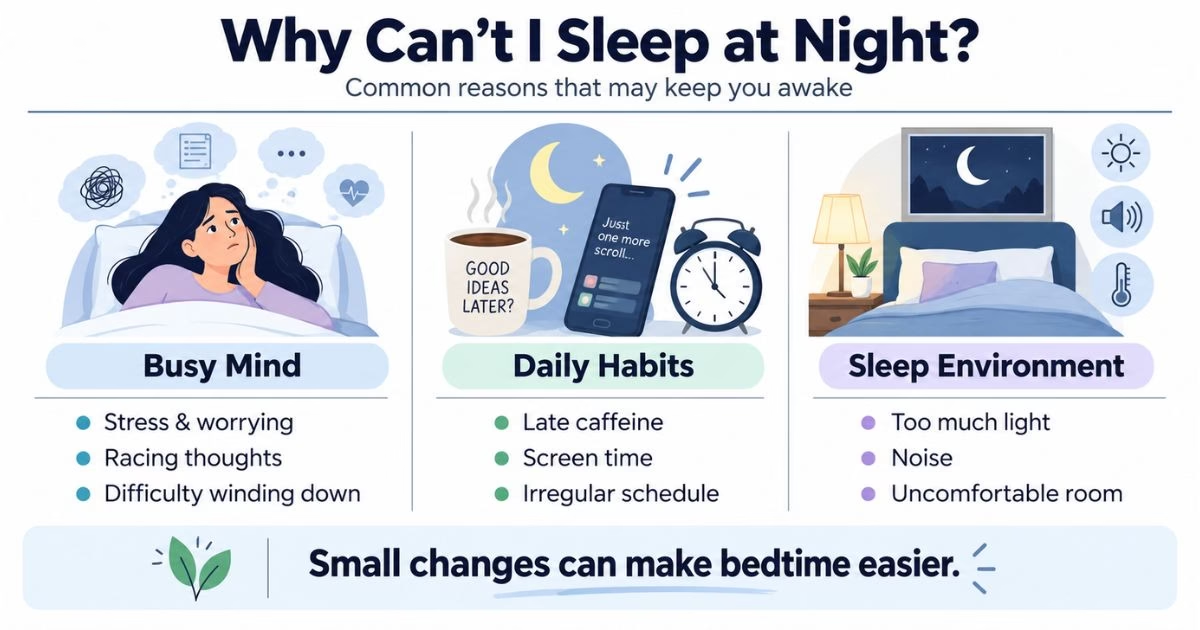
1. Stress and Overthinking Are Keeping Your Mind Active
One of the most common reasons people struggle to sleep is that their minds remain busy long after the day’s activities have ended.
You might be concerned about a work deadline, a financial decision, a family problem, or an important conversation. Although you know there is nothing you can do about the situation at that moment, the same thoughts keep returning.
For example, you may be preparing for a meeting the following morning. While lying in bed, you begin rehearsing what you will say, imagining difficult questions, and worrying about making mistakes.
Before long, bedtime becomes another period of problem-solving instead of rest.
How to Calm Your Mind Before Bed
Try giving yourself a few minutes earlier in the evening to think through your concerns.
Write down the tasks you need to complete, questions you want to answer, or worries that are occupying your attention. For practical problems, identify one manageable next step you can take tomorrow.
Once you have written everything down, close the notebook and move on to a quieter activity.
Reading, listening to gentle music, or taking a warm shower may help you transition away from the day’s responsibilities.
You do not have to eliminate every thought. The goal is to stop treating bedtime as the only opportunity to solve your problems.
If persistent worry or anxiety is interfering with your sleep and everyday life, consider speaking with a qualified mental health professional.
2. Your Sleep Schedule Is Irregular
Your body has an internal timing system called the circadian rhythm. It helps coordinate your sleep and wake periods using cues such as light exposure, daily activity, and your usual schedule.
When you frequently change your bedtime, your body may not feel ready to sleep when you expect it to.
Imagine going to bed at 10:30 p.m. on weekdays but staying awake until 2 a.m. on weekends. When Sunday night arrives, you may find yourself lying awake even though you need to get up early the next morning.
Shift work, overnight jobs, travel across time zones, and changing family responsibilities can create similar difficulties.
How to Build a More Consistent Sleep Schedule
Start by choosing a wake-up time that fits your daily responsibilities. Then work backward to determine when you should begin winding down.
Try to go to bed and wake up at roughly the same times each day, including weekends when practical.
If you currently go to bed very late, adjust your schedule gradually rather than forcing yourself into a completely different routine overnight.
Spending time outdoors during daylight hours may also help support your body’s natural sleep-wake rhythm. A morning walk or a short outdoor break can be a practical way to get some natural light.
If you work night shifts, a conventional nighttime schedule may not be realistic. Focus instead on making your main sleep period as consistent as possible and keeping your sleeping environment dark and quiet.
3. Caffeine Is Keeping You Awake
Your afternoon coffee may be affecting your bedtime more than you realize.
Caffeine is a stimulant found in coffee, tea, energy drinks, some soft drinks, and chocolate. It can make you feel more alert, and its effects may continue for several hours after consumption.
You might fall asleep without much difficulty after drinking coffee late in the day but find yourself waking during the night or feeling less rested the following morning.
People respond to caffeine differently, so there is no single cutoff time that works for everyone.
What You Can Do
If you regularly struggle to sleep, try moving your last caffeinated drink earlier in the day.
For example, replace your usual late-afternoon coffee with water or a caffeine-free drink and observe whether your sleep changes over the next week or two.
Pay attention to energy drinks and other products that contain caffeine, even if you do not drink coffee regularly.
You do not necessarily need to eliminate caffeine entirely. The aim is to identify whether its timing or amount is contributing to your sleep difficulties.
If you are sensitive to caffeine, you may need to stop consuming it earlier than someone who can drink coffee without noticing an effect on sleep.
4. Your Phone Is Keeping Your Brain Engaged
You may plan to check one message before bed, only to find yourself watching videos, reading comments, or browsing social media for another 45 minutes.

This habit can delay your bedtime and keep your attention active when you would otherwise be winding down.
Bright light from electronic screens can also influence your body’s natural sleep timing. The content matters, too. Work messages, dramatic videos, upsetting news, and constant notifications can make it difficult to mentally step away from the day.
Create a Screen-Free Period Before Bed
Begin with the final 20 to 30 minutes before your planned bedtime.
Put your phone aside, silence nonessential notifications, and choose a quieter activity. You could read a physical book, prepare your clothes for tomorrow, take a warm shower, or listen to relaxing music.
If you use your phone for an alarm, consider charging it away from your pillow or using a separate alarm clock.
You do not have to eliminate technology completely. Even a short period without unnecessary screen activity can make your evening feel less stimulating.
The important part is preventing phone use from repeatedly pushing your bedtime later than planned.
5. Your Bedroom May Not Be Comfortable Enough
Sometimes, the reason you cannot sleep has less to do with your thoughts and more to do with your surroundings.
A bedroom that is too warm, bright, noisy, or uncomfortable can make it harder to settle down. You might hear traffic outside, notice light coming through the curtains, or wake up because the room becomes too hot.
Small environmental problems can become especially frustrating when they happen repeatedly.
Make Your Room More Sleep-Friendly
When possible, keep your bedroom dark, quiet, and comfortably cool.
Curtains or a sleep mask may help with unwanted light. If noise is a problem, consider a fan or suitable earplugs. Choose pillows and bedding that feel comfortable for your sleeping position.
You can also reduce distractions by keeping work materials and bright electronic devices away from your immediate sleeping area.
You do not need to redesign your bedroom or purchase expensive products. Begin with the things most likely to disturb your sleep.
If you share a room with another person, discuss practical changes that might make the environment more comfortable for both of you.
6. You Are Going to Bed Before You Feel Sleepy
Getting into bed early may seem like a sensible way to guarantee more sleep. However, spending a long time in bed while wide awake can make bedtime frustrating.
Perhaps you normally fall asleep around midnight but decide to get into bed at 9:30 p.m. because you have an early morning. You lie there for hours, checking the time and wondering why you cannot sleep.
The problem may be that your body is not ready for sleep yet.
Follow Your Sleepiness Instead of Forcing Sleep
Build a relaxing evening routine and go to bed when you begin feeling sleepy, while still allowing enough time for a full night’s rest.
If you are not sleepy yet, spend some time reading or listening to quiet music in a comfortable place.
Avoid watching the clock or repeatedly calculating how many hours remain before your alarm. That habit can create additional pressure without helping you fall asleep.
If you are lying awake and becoming increasingly frustrated, consider getting out of bed and doing a quiet activity in dim light. Return to bed when you feel sleepy again.
This approach can help reduce the association between your bed and the frustration of trying to force yourself to sleep.
7. Napping During the Day Is Affecting Your Nighttime Sleep
A short afternoon nap may help you feel refreshed after a poor night. However, long or late naps can reduce your natural drive to sleep at night.
Your need for sleep builds while you are awake. If you sleep for a long time during the afternoon, you may not feel sufficiently sleepy at your usual bedtime.
For example, sleeping for two hours after work may make it difficult to fall asleep at 10:30 p.m.
Adjust Your Nap Habits
If nighttime sleep is a problem, try avoiding long naps, particularly late in the afternoon or evening.
If you need a nap to manage temporary tiredness, keep it relatively short and earlier in the day when possible.
Some people, including shift workers, may have different needs because of their schedules. In those situations, a planned nap may be useful as part of an overall sleep plan.
The key is to notice whether daytime sleep helps you function or makes it harder to fall asleep later.
If you regularly need long naps despite allowing enough time for nighttime sleep, discuss your excessive sleepiness with a healthcare professional.
8. Alcohol, Nicotine, or Late Meals May Be Contributing
Some evening habits can make sleep less comfortable, even if they initially seem relaxing.
Alcohol may make you feel sleepy at first, but it can contribute to lighter, more disrupted sleep later in the night.
Nicotine is a stimulant and may also interfere with sleep.
Large meals immediately before bedtime can cause indigestion or discomfort for some people, especially if they are prone to heartburn.
Make Practical Evening Adjustments
If you drink alcohol, pay attention to whether your sleep is more interrupted on those nights. Do not rely on alcohol as a sleep aid.
If you use nicotine, consider how its timing may be affecting your rest and seek support if you want to stop using it.
Try to finish your main evening meal early enough to feel comfortable before lying down. If you are hungry later, a light snack may work better than a heavy meal.
You may also want to limit large amounts of fluid shortly before bed if bathroom trips repeatedly interrupt your sleep.
These changes will not solve every case of sleeplessness, but they can remove common sources of nighttime disruption.
9. Medications or Health Conditions May Be Affecting Your Sleep
Sometimes, difficulty sleeping is not primarily caused by poor habits.
Certain prescription medicines and over-the-counter products can affect sleep. Some cold and allergy medicines, for example, may cause drowsiness, while other medications can make it harder to fall asleep or stay asleep.
Health conditions can also contribute to nighttime difficulties. These include chronic pain, acid reflux, thyroid problems, menopause-related symptoms, anxiety, and depression.
Sleep disorders such as insomnia, restless legs syndrome, and obstructive sleep apnea may also be involved.
Pay Attention to Other Symptoms
Consider whether your sleep problems began after a medication change, an illness, or the appearance of another symptom.
If you snore loudly, gasp during sleep, wake frequently, or experience significant daytime sleepiness, mention these details to a healthcare professional.
Similarly, if pain, heartburn, or other physical discomfort regularly keeps you awake, addressing the underlying problem may be more useful than repeatedly changing your bedtime routine.
Do not stop taking prescribed medicines or change their doses without professional guidance.
Persistent sleep difficulties deserve attention, especially when they continue despite reasonable adjustments to your daily habits.
10. You May Have Insomnia
If you regularly struggle to fall asleep, stay asleep, or return to sleep after waking, insomnia may be a possibility.
Insomnia can occur for short periods during stressful events or changes in routine. Some people experience longer-lasting difficulties that begin affecting concentration, mood, work, and everyday activities.
Chronic insomnia is generally defined by sleep difficulties occurring at least three nights per week for three months or longer, alongside daytime effects and other clinical criteria. A healthcare professional can determine whether your symptoms meet the criteria.
What Are the Signs of Insomnia?
Possible symptoms include:
- Taking a long time to fall asleep.
- Waking up repeatedly during the night.
- Waking earlier than planned and being unable to return to sleep.
- Feeling tired or irritable during the day.
- Struggling with attention, memory, or concentration.
- Becoming worried about sleep itself.
Having one or two difficult nights does not automatically mean you have insomnia. Diagnosis depends on the pattern, duration, effects on daily life, and other possible explanations.
What Helps With Long-Term Insomnia?
Healthy sleep habits are useful, but they may not be enough on their own for persistent insomnia.
Cognitive behavioral therapy for insomnia (CBT-I) is an established treatment that helps address thoughts and behaviors contributing to sleep difficulties.
It may involve sleep education, relaxation techniques, changing unhelpful beliefs about sleep, and strategies that help rebuild a healthier relationship with bedtime.
The National Heart, Lung, and Blood Institute identifies CBT-I as a first treatment option for long-term insomnia. It can be delivered by a trained professional and, in some cases, through telephone or online programs.
If sleep difficulties are frequent or interfere with your daily life, a healthcare professional can help determine whether CBT-I or another treatment may be appropriate.
Simple Tips to Help You Sleep Better Tonight
You do not need to change every habit at once. Start with a few practical adjustments that fit your daily routine.
Keep a Regular Sleep Schedule
Go to bed and wake up at roughly the same time whenever practical. Consistency can help your body anticipate when it is time to sleep.
Write Down Tomorrow’s Responsibilities
Spend five minutes recording important tasks before bed. This gives you a plan for the morning instead of requiring you to remember everything while trying to sleep.
Try Gentle Breathing
Breathe comfortably and pay attention to each breath for a minute or two. Do not force deep breaths or expect your thoughts to disappear completely.
Choose a Quiet Evening Activity
Read, listen to gentle music, or take a warm shower instead of spending the final part of your evening scrolling through your phone.
Make Your Bedroom Comfortable
Reduce unwanted light and noise, maintain a comfortable temperature, and choose bedding that helps you rest.
Give these habits time to become familiar. One change may help immediately, while another may take longer to make a noticeable difference.
What If You Still Cannot Sleep?
An occasional sleepless night can happen to anyone. If you remain awake despite trying to relax, avoid repeatedly checking the time or calculating how tired you will feel tomorrow.
If you become increasingly frustrated, get out of bed and do something quiet in dim light. Read a few pages of a book or listen to gentle music, then return to bed when you feel sleepy.
Try not to use alcohol, take extra medication, or combine sleep products in an attempt to force yourself to fall asleep. Some products can cause side effects or interact with other medicines.
If your sleep problems continue for several weeks, happen frequently, or affect your ability to function during the day, make an appointment with a healthcare professional. You do not need to wait until sleeplessness becomes overwhelming to ask for help.
Seek evaluation sooner if you have symptoms such as loud snoring with gasping, significant breathing interruptions during sleep, or severe daytime sleepiness.
Conclusion: Understand What’s Keeping You Awake
If you keep asking, “Why can’t I sleep at night?” the answer may involve several factors rather than one single problem.
Stress and overthinking can keep your mind active. Irregular schedules, late caffeine, phone use, uncomfortable surroundings, and long daytime naps can make it harder to settle down. Medications, health conditions, and sleep disorders may also play a role.
Start by looking at your own habits. Notice when you drink caffeine, how consistently you sleep, what you do during the final hour of the day, and whether anything in your bedroom regularly disturbs you.
Choose one or two changes that seem most relevant and make them manageable enough to repeat. You do not need a perfect routine to begin improving your sleep.
Most importantly, remember that persistent sleep problems are not a personal failure. If healthy habits are not enough, a healthcare professional can help identify the cause and recommend appropriate treatment.
A calmer evening, a more consistent schedule, and the right support when needed can help you move toward more restful nights.
1 thought on “Why Can’t I Sleep at Night? Common Reasons and Simple Tips”