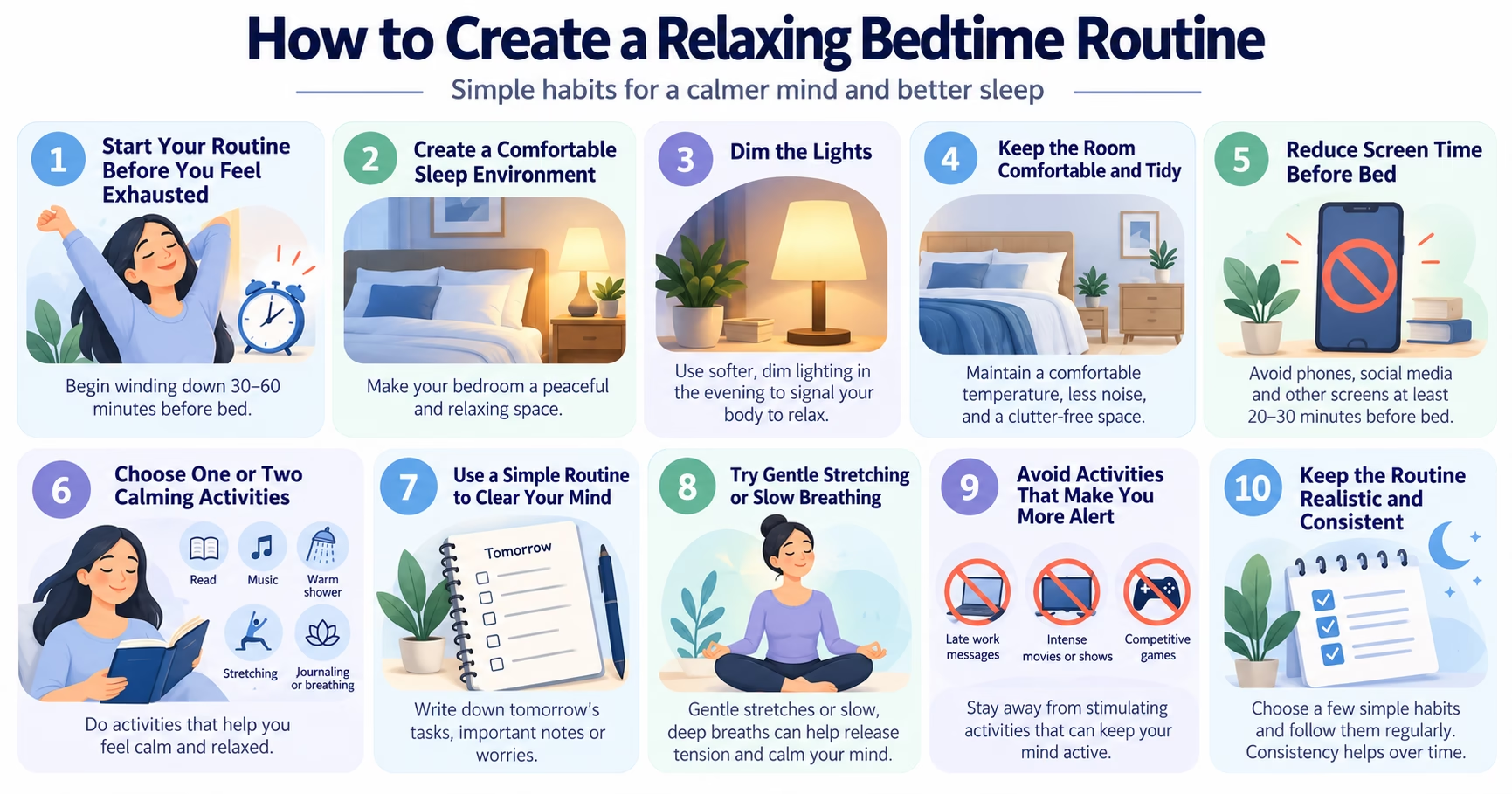
How to Create a Relaxing Bedtime Routine for Better Sleep
You finish dinner, complete a few household chores, check your phone one last time, and finally get into bed. But instead of feeling ready to sleep, your mind starts reviewing tomorrow’s responsibilities. You remember an unfinished task, worry about an upcoming meeting, or find yourself scrolling through social media long past the time you planned to go to bed.
If this sounds familiar, your evening routine may need a little attention.
The way you spend the final part of your day can influence how easily you transition from being active and alert to feeling ready for rest. A relaxing bedtime routine creates space between daytime responsibilities and sleep, helping you settle down without turning bedtime into another task to complete.
The good news is that you do not need expensive sleep products, complicated rituals, or an hour of free time every night. A few small, consistent habits can help you create an evening that feels calmer and more predictable.
In this guide, you will learn how to create a relaxing bedtime routine for better sleep, which habits are worth trying, what to avoid in the evening, and how to build a schedule that works with your lifestyle.
What Is a Relaxing Bedtime Routine?
A relaxing bedtime routine is a series of calming activities you follow before going to sleep. It helps you gradually move away from work, household responsibilities, entertainment, and other stimulating activities.
For one person, that routine might involve taking a warm shower, reading a book, and turning off the lights. Someone else might prefer gentle stretching, writing down tomorrow’s tasks, and listening to quiet music.
There is no single routine that works for everyone. What matters is choosing activities that are comfortable, practical, and easy to repeat.
A consistent routine can also help establish a clearer boundary between your waking activities and your time for rest. Instead of going straight from a demanding task to bed, you give yourself a chance to slow down.
According to the National Heart, Lung, and Blood Institute, helpful sleep habits include maintaining a regular schedule, setting aside quiet time before bed, and keeping your sleeping environment comfortable.
These changes will not guarantee that you fall asleep immediately. However, they can help create conditions that support healthier sleep.
Why Your Evening Habits Matter for Better Sleep
Your body follows a natural sleep-wake rhythm influenced by factors such as light exposure, daily activity, and your regular schedule. When your evening remains busy and stimulating right up to bedtime, it may be harder to feel ready for rest.
Consider what happens when you spend an hour answering work emails, checking messages, and watching short videos before getting into bed. Your attention is still occupied, and you may keep thinking about what you have just seen or what you still need to do.
Now imagine a different evening. You finish your important tasks, prepare for the next day, dim the lights, and spend a few minutes reading something enjoyable. There are fewer distractions, and you have given yourself time to wind down.
The difference is not that the second evening removes every worry. Instead, it creates a more comfortable transition toward sleep.
A relaxing bedtime routine may help you:
- Establish a more consistent sleep schedule.
- Reduce unnecessary stimulation before bed.
- Create time for relaxation after a demanding day.
- Avoid letting phone use delay your bedtime.
- Separate unfinished responsibilities from your sleeping time.
- Develop a more comfortable and predictable evening environment.
The benefits will vary from person to person. A bedtime routine is one part of good sleep habits, alongside getting enough sleep, staying physically active during the day, and paying attention to factors that might disturb your rest.
Step 1: Choose a Consistent Bedtime and Wake-Up Time
Before deciding which activities to include in your routine, establish a general sleep schedule.
Going to bed and waking up at roughly the same times each day can help your body maintain a more regular sleep-wake rhythm. This includes weekends, when possible.
You do not need to follow an exact minute-by-minute schedule. The aim is to avoid making large changes to your sleep timing from one day to the next.
Work Backward From Your Wake-Up Time
Start by deciding when you need to wake up. Then allow enough time for sleep rather than choosing a bedtime based only on when your evening activities finish.
For example, if you need to get up at 6:30 a.m., you might plan to be in bed around 10:30 p.m. or earlier, depending on how much sleep you need and how long it typically takes you to fall asleep.
Most adults need at least seven hours of sleep per night, although individual needs vary. Older adults may have different sleep patterns, and some people need more than seven hours to feel rested.
If you currently go to bed very late, change your schedule gradually rather than attempting a major overnight adjustment.
Keep Your Schedule Realistic
Your bedtime needs to fit your actual life.
Parents may need to wait until their children are asleep. People who work evening shifts may not be able to follow a traditional nighttime schedule. Others may have classes, caregiving responsibilities, or long commutes.
In these situations, focus on creating a consistent wind-down period before your main sleep period, even if that period happens later at night or during the day.
A schedule you can maintain is more useful than a perfect schedule you repeatedly abandon.
Step 2: Start Winding Down 30 to 60 Minutes Before Bed
One of the easiest ways to improve your evening routine is to stop treating bedtime as something that begins only when you get into bed.
Instead, create a transition period before your planned sleep time.
The American Academy of Sleep Medicine recommends allowing time to wind down and limiting electronic distractions before bed. The right amount of time will depend on your schedule and the activities that help you relax.
Finish Important Tasks Earlier
Try to complete essential household chores, respond to necessary messages, and prepare for the next day before your wind-down period begins.
You will not always finish everything, and that is fine. The purpose is to reduce the number of tasks competing for your attention once you are ready to rest.
For example, you might prepare your work bag, choose your clothes for the morning, and check your calendar before beginning your bedtime routine.
If a task remains unfinished, write it down and decide when you will return to it. You do not have to mentally solve every problem before going to sleep.
Shift Toward Calmer Activities
Once you have finished what genuinely needs your attention, choose activities that do not require intense concentration or constant reactions.
You might read a book, take a shower, listen to gentle music, or spend a few minutes stretching.
Avoid turning the wind-down period into another productivity session. This is not the time to reorganize your entire home or create an elaborate plan for the next month.
A simple starting point: Set a reminder 30 minutes before bedtime. When it sounds, begin preparing for sleep rather than starting another activity that might keep you awake.
Step 3: Put Your Phone Away Before Bed
For many people, a phone is the biggest obstacle to a consistent bedtime routine.
You might intend to check one message and then notice a social media notification. One video leads to another, and before you realize it, another 40 minutes have passed.
The problem is not simply screen time itself. It is also the way constant updates, entertaining content, and emotional or stressful information can keep your attention active and delay your bedtime.
Create a Screen-Free Period
Start with a manageable goal: put your phone away for the final 20 to 30 minutes before bed.
If that feels difficult, begin with ten minutes and gradually extend the time.
You could charge your phone away from your pillow, activate a focus mode, or disable nonessential notifications during your evening routine.
If you rely on your phone for an alarm, consider placing it far enough away that you cannot automatically pick it up while lying in bed. A separate alarm clock is another option.
You do not need to eliminate all technology from your life. The goal is to make nighttime phone use more intentional.
Replace Scrolling With Something Enjoyable
It can be difficult to put your phone away when you have nothing planned to do instead.
Choose an alternative before your screen-free period begins. Keep a book near your bed, prepare a comfortable place to sit, or select a familiar music playlist earlier in the evening.

If you use your phone to listen to relaxing sounds, select the recording before you start winding down and turn off the screen when possible.
Your routine should make it easier to stop using the device, not require you to search for the perfect replacement activity every night.
Step 4: Make Your Bedroom Comfortable for Sleep
Your bedroom should be a place where you can rest comfortably. A room that is too bright, noisy, warm, or cluttered may make settling down more difficult.
You do not need an expensive makeover or luxury bedding to make improvements. Start by addressing the things that are most noticeable in your environment.
Keep the Room Dark, Quiet, and Comfortable
When possible, reduce unwanted light with curtains or a sleep mask. If outside noise is a problem, consider suitable earplugs or a fan that provides steady background sound.
Keep the room at a temperature that feels comfortable for sleeping. What works best may depend on your bedding, clothing, climate, and personal preferences.
Choose pillows and bedding that support a comfortable sleeping position. You do not need to purchase the most expensive products; comfort matters more than creating a picture-perfect bedroom.
Reduce Bedroom Clutter
A crowded room does not automatically cause poor sleep, but visual reminders of unfinished work can make it harder to mentally leave the day behind.
If possible, keep work documents, laundry, and other unfinished tasks away from the immediate sleeping area.
You do not have to clean the whole room every night. Spend two or three minutes putting away obvious distractions and preparing the space for rest.
Use Softer Lighting in the Evening
Bright light in the evening can affect your body’s natural sleep timing. Consider turning off unnecessary overhead lights and using a comfortable bedside lamp during your wind-down period.
You do not need complete darkness while preparing for bed. Just aim to make the lighting less stimulating as bedtime approaches.
Small adjustments can help create a consistent environment that tells you it is time to move away from the day’s activities.
Step 5: Take a Warm Shower or Bath
A warm shower or bath can be a pleasant way to begin your bedtime routine, especially after a physically demanding day.
The experience gives you a few minutes away from your phone and other responsibilities. You can focus on the warmth of the water, relax your shoulders, and allow your attention to move away from work.
Research suggests that a warm bath or shower before bedtime may help some people prepare for sleep, although individual responses and the best timing can vary.
Keep It Simple
Choose comfortably warm water rather than an excessively hot temperature.
You might shower, change into comfortable sleepwear, and then spend a few minutes reading or listening to music.
If you prefer taking a bath, there is no need for expensive salts or special products. A comfortable, quiet experience is enough.
Some people prefer taking a warm shower about an hour or two before bedtime. Others find a shorter interval more convenient. Experiment with timing without treating it as a strict rule.
If hot water causes dizziness or discomfort, adjust the temperature or choose another relaxing activity.
The shower is not a requirement for a good bedtime routine. It is simply one option that can help mark the transition from daytime activity to evening rest.
Step 6: Include a Relaxation Exercise
Even after you finish your chores and put your phone away, your thoughts may continue moving from one subject to another.
You might worry about an appointment, replay a conversation, or start planning tomorrow’s schedule as soon as you lie down.
A short relaxation exercise can give your attention something simple to focus on rather than asking yourself to stop thinking altogether.
Try Comfortable, Slow Breathing
Sit or lie down in a comfortable position.
Notice your natural breathing, then allow your breaths to remain gentle and unforced. If it feels comfortable, let your exhalation last slightly longer than your inhalation.
Continue for one or two minutes. When your mind wanders, simply return your attention to your breathing.
You do not need to count each breath or empty your mind. If focusing on breathing makes you uncomfortable, switch to noticing the sounds around you or the feeling of your body resting against the bed.
Try a Short Body Scan
A body scan involves paying attention to different parts of your body, beginning with your feet and gradually moving toward your face.
Notice where your body touches the bedding. Pay attention to sensations of warmth, pressure, or tension without judging them.
If your shoulders feel tight, allow them to relax gently if comfortable. If your thoughts drift, return to the part of your body you were noticing.
These exercises are not guaranteed to make you fall asleep, but some people find them useful for creating a calmer transition to bedtime.
Choose one technique that feels natural rather than trying to fit several exercises into a single evening.
Step 7: Write Down Worries and Tomorrow’s Tasks
Sometimes the mind remains busy because you are trying to remember too many things.
You may need to pay a bill, reply to an email, buy groceries, or prepare for a meeting. Remembering these responsibilities repeatedly can make bedtime feel like a planning session.
Writing them down gives your thoughts a practical place to go.
Use a Five-Minute Evening List
Before getting into bed, take a notebook and write down the tasks you need to handle the next day.
Keep your notes short. For example:
- Review tomorrow’s meeting notes.
- Make a necessary phone call.
- Pick up groceries after work.
- Pay the electricity bill.
Choose the most important tasks and decide when you will address them.
Once everything is recorded, close the notebook. You can return to your list tomorrow instead of repeatedly checking it in your mind.
Do Not Try to Solve Every Worry at Bedtime
Some concerns are not simple tasks. You might be uncertain about a work decision, worried about a family member, or concerned about something outside your control.
If a concern needs attention, write down one practical next step or make a note to discuss it with someone the next day.
You do not have to find an answer to every question before allowing yourself to rest.
If journaling makes your mind busier, keep the activity focused on practical planning rather than lengthy emotional analysis at night.
Step 8: Choose an Activity You Genuinely Enjoy
A relaxing bedtime routine should contain something pleasant, not just activities you believe you are supposed to do.
If you dislike meditation, you do not need to meditate. If journaling feels like homework, choose something else.
The most useful routine is one that feels comfortable enough to repeat.
Read a Few Pages of a Book
Reading a physical book can provide a break from notifications and endless scrolling.
Choose something that holds your interest without leaving you too stimulated. A gentle novel, short stories, or familiar reading material may work well.

Read for 10 to 20 minutes if that fits your schedule. Stop when you feel sleepy rather than trying to finish a chapter.
Listen to Gentle Music
Soft instrumental music or steady nature sounds may provide a soothing background for your evening routine.
Keep the volume low and choose recordings without abrupt changes that might distract you.
If a playlist encourages you to keep checking your phone, select it beforehand and let it play without repeatedly changing tracks.
Spend a Few Quiet Minutes With Someone You Love
If you live with a partner or family, a calm conversation can be another way to end the day.
You might discuss something enjoyable that happened, share a few thoughts about tomorrow, or simply spend time together without television or phones.
Not every evening needs to involve talking. Some people prefer quiet time alone, and that is equally reasonable.
Choose an activity that helps your evening feel less rushed and more personal.
Step 9: Pay Attention to Caffeine, Alcohol, and Late-Night Eating
Your bedtime routine begins before the moment you turn off the lights. Some daytime and evening habits can affect how easily you fall asleep.
Caffeine is one example. Coffee, energy drinks, certain teas, some soft drinks, and chocolate can contain caffeine, which may remain in your system for hours.
If you regularly struggle to fall asleep, consider moving your last caffeinated drink earlier in the day. The timing that works best depends on your sensitivity and usual consumption.
Alcohol may make you feel sleepy initially, but it can also contribute to lighter, more disrupted sleep later in the night. It is not a reliable sleep aid.
Large meals close to bedtime may cause discomfort for some people. If you feel hungry before sleep, a light snack may be more comfortable than going to bed hungry or eating a heavy meal.
You may also want to avoid drinking large amounts of fluid right before bed if nighttime bathroom trips regularly interrupt your sleep.
These adjustments do not need to become rigid rules. Observe which habits affect you and make reasonable changes based on your experience.
Step 10: Give Yourself Enough Time to Sleep
A relaxing evening routine cannot compensate for a schedule that does not leave enough time for rest.
If you stay up late working, watching television, or completing household tasks, you may have only six hours available for sleep before your alarm sounds.
Over time, consistently getting too little sleep can affect your alertness, concentration, mood, and overall health.
Most adults need at least seven hours of sleep each night. Your individual needs may be higher, depending on your circumstances.
Plan Your Evening Around Sleep
Work backward from the time you need to wake up. Allow enough time for your usual sleep needs, then fit your wind-down routine into the period before bed.
If you have a demanding schedule, look for small adjustments that can create more time for rest. You might move one household task to the morning, prepare lunches earlier, or establish a clear stopping time for work.
You will not always be able to follow the same routine. Shift workers, parents of young children, and people with caregiving responsibilities may have less control over their schedules.
In those situations, aim for consistency where possible and protect your available sleep time as much as circumstances allow.
A Sample 30-Minute Bedtime Routine
If you are unsure how to put everything together, start with this simple example. Adjust the timing to suit your sleep schedule and personal preferences.
30 minutes before bed: Write down tomorrow’s main tasks and finish any small preparation that is likely to distract you later.
20 minutes before bed: Take a warm shower, change into comfortable sleepwear, and dim the lights.
10 minutes before bed: Put your phone aside and read a few pages of a book or listen to gentle music.
At bedtime: Get comfortable and try a short breathing exercise or body scan if it feels helpful.
You do not have to complete every step. On a busy evening, you might write a quick to-do list and read for five minutes. On a quieter evening, you may have time for a longer wind-down period.
The important part is building a pattern that feels natural instead of making every night another test of discipline.
Common Bedtime Routine Mistakes to Avoid
A bedtime routine should support your rest, not add stress to your evening. A few common mistakes can make it harder to maintain.
Trying to change everything at once. Starting ten new habits in one night may feel overwhelming. Begin with one or two changes and add more only when they fit comfortably into your schedule.
Treating bedtime as a productivity challenge. You do not need to meditate for a certain number of minutes, finish a book chapter, or follow every step perfectly. Choose habits that help you relax rather than turning the routine into a performance.
Checking the time repeatedly. If you are awake longer than expected, continually calculating how much sleep remains may increase your frustration. Try to avoid watching the clock.
Using alcohol as a sleep aid. Feeling sleepy after drinking does not mean alcohol improves your overall sleep quality. Consider other wind-down activities instead.
Expecting immediate results. A new routine may take time to feel natural, and it may not solve every sleep difficulty. Look for gradual improvements in consistency and comfort rather than demanding perfect sleep every night.
What to Do If Your Bedtime Routine Is Not Helping
Even a well-planned routine will not resolve every cause of poor sleep.
Stress, medications, chronic pain, breathing problems during sleep, irregular work schedules, and other health factors may contribute to ongoing difficulties.
If you frequently lie awake feeling frustrated, consider getting out of bed and doing a quiet activity in dim light until you feel sleepy. Return to bed when you are ready rather than repeatedly forcing yourself to fall asleep.
Keep track of patterns that may be affecting your rest, such as caffeine timing, late-night work, or changes in your schedule.
If your sleep difficulties continue, regularly affect your daytime functioning, or leave you feeling persistently exhausted, speak with a qualified healthcare professional.
For ongoing insomnia, cognitive behavioral therapy for insomnia (CBT-I) is an established treatment that addresses the thoughts and behaviors that can maintain sleep problems. A clinician can help determine whether it is appropriate for you.
A bedtime routine is a useful part of healthy sleep habits, but you do not need to manage persistent sleep difficulties on your own.
Conclusion: Make Your Bedtime Routine Work for You
Creating a relaxing bedtime routine for better sleep does not require a perfect schedule or a long list of wellness activities. It starts with making the final part of your day a little calmer and more predictable.
Choose a consistent sleep schedule, give yourself time to wind down, put your phone away earlier, and make your bedroom comfortable. Add activities you genuinely enjoy, whether that means reading, taking a warm shower, practicing gentle breathing, or writing down tomorrow’s responsibilities.
Start small and pay attention to what helps. If a particular habit feels uncomfortable or adds pressure, replace it with something simpler.
Some evenings will remain busy, and some nights will be difficult. That does not mean your efforts have failed. The aim is to create a routine you can return to, even when life does not go exactly as planned.
Begin with one small change tonight. Over time, those ordinary moments of preparation and relaxation can help you establish a healthier relationship with bedtime and create better conditions for the rest you need.