You turn off the lights, settle into bed, and expect to fall asleep. Instead, your mind starts reviewing everything that happened during the day. You remember an unfinished task, worry about tomorrow’s responsibilities, or replay a conversation you wish had gone differently. Minutes pass, and the more you try to fall asleep, the more awake you feel.
If this sounds familiar, you are not alone. Stress, busy schedules, and habits that keep the mind active can make it difficult to settle down at night.
The good news is that you can make your bedtime routine more relaxing without purchasing expensive products or completely changing your lifestyle. Simple relaxation techniques can help you shift your attention away from daily pressures, release physical tension, and create a calmer environment for rest.
These techniques work in different ways. Some focus on breathing, others help you relax your muscles, and a few give your thoughts somewhere to settle. You do not need to practice all ten tonight. Choose one or two that feel comfortable and see how your body responds.
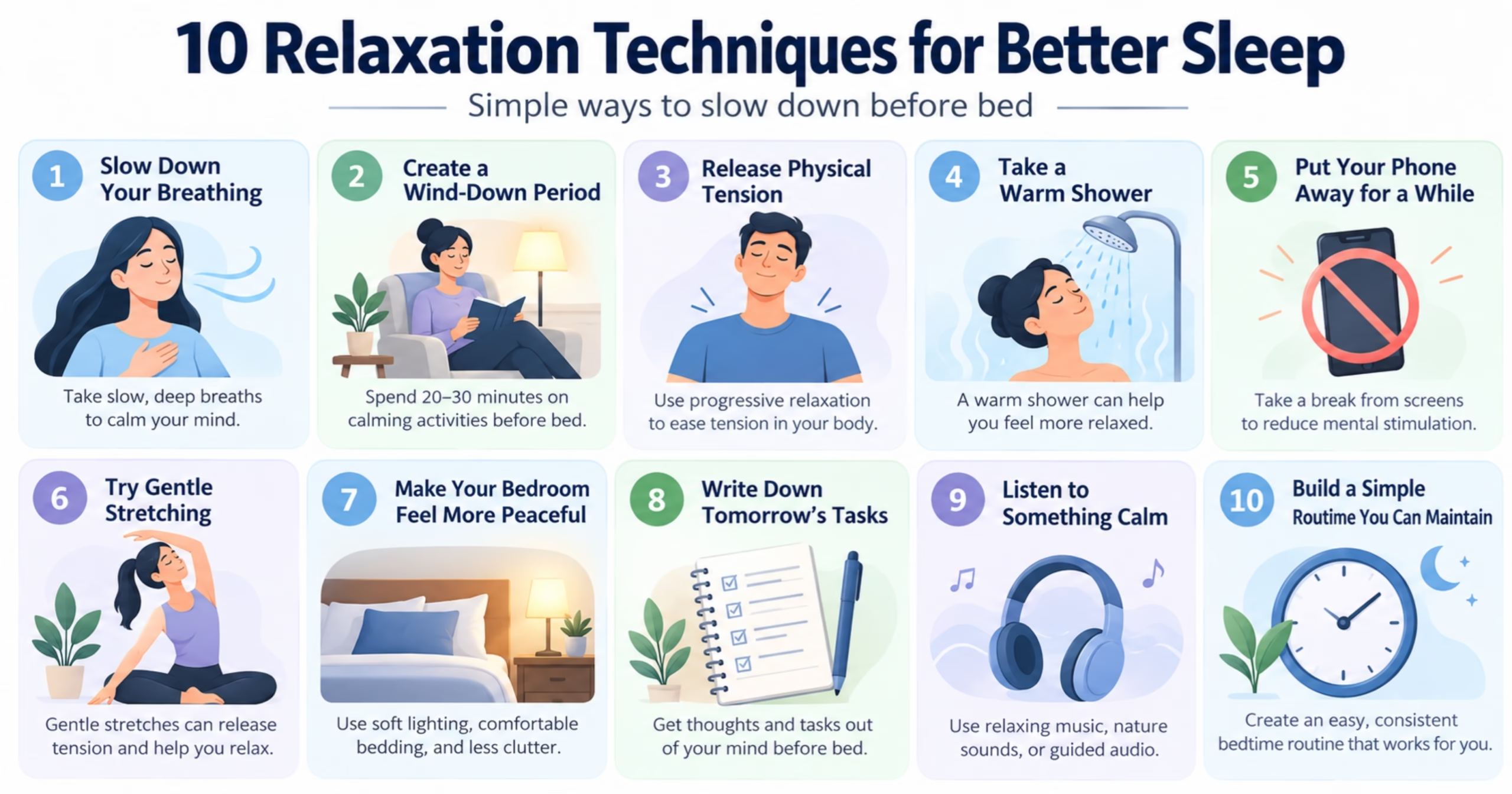
Here are ten practical relaxation techniques to help you sleep better tonight, along with easy instructions for adding them to your evening routine.
1. Practice Slow, Gentle Deep Breathing
When you have a stressful day, you may carry the tension into your evening without realizing it. Your shoulders might stay raised, your jaw may feel tight, and your breathing may become shallow or quick.
Taking a few slow, comfortable breaths can give you a moment to pause and pay attention to your body. Breathing exercises are commonly used in relaxation practices because they can encourage the body’s natural relaxation response. Their effects vary from person to person.
How to Try It Tonight
Get comfortable in bed or sit in a quiet chair. Place one hand on your abdomen if that helps you notice your breathing.
Breathe in gently through your nose, allowing your abdomen to expand naturally. Then breathe out slowly without forcing the air from your lungs.
Continue for one or two minutes, letting each breath feel comfortable. You can make the exhalation slightly longer than the inhalation if that feels natural, but there is no need to follow a strict count.
Keep your breathing easy rather than taking unusually large breaths. If you feel dizzy, short of breath, or uncomfortable, return to your normal breathing.
Why It May Help
Concentrating on a simple physical sensation gives your attention somewhere to rest instead of repeatedly returning to tomorrow’s to-do list.
For example, if you are lying awake thinking about an upcoming meeting, you can acknowledge the thought and return your attention to your next comfortable breath.
You do not need to make every thought disappear. The purpose is to create a calmer moment, not to force sleep.
Best time to try it: During your evening wind-down routine or when you first get into bed.
2. Use Progressive Muscle Relaxation
Sometimes it is not your thoughts that keep you awake but the tension you have been carrying throughout the day. Long hours at a desk, driving, exercising, or handling stressful situations can leave your muscles feeling tight.
Progressive muscle relaxation, often called PMR, involves gently tensing and then relaxing different muscle groups. By noticing the difference between tension and release, you may become more aware of where your body is holding stress.
The technique is described by the U.S. National Center for Complementary and Integrative Health as one of several established relaxation approaches.
How to Practice Progressive Muscle Relaxation
Lie down comfortably or sit in a supportive chair.
Starting with your feet, gently tighten the muscles for a few seconds, then release them and notice the difference. Move gradually through your calves, thighs, hands, arms, shoulders, and face.
For example, you might curl your toes gently, hold for a moment, and then let them relax completely. Continue upward at a comfortable pace.
Keep the tension mild. You should not strain, hold your breath, or tighten any area that is painful.
If you have an injury, significant pain, or a condition that makes muscle tensing uncomfortable, skip the affected areas or choose another technique.
What to Notice
After releasing each muscle group, pause briefly.
Notice whether your shoulders feel less raised, your hands feel softer, or your legs feel more comfortable against the mattress.
There is no particular sensation you must experience for the exercise to be worthwhile.
Best time to try it: After changing into comfortable sleepwear or once you are lying in bed with the lights dimmed.
3. Try a Gentle Body Scan Meditation
A body scan is a simple mindfulness exercise that involves moving your attention gradually through different parts of your body.
It is especially useful when your thoughts keep jumping between unfinished tasks, conversations, and future plans. Rather than arguing with those thoughts, you give your attention a specific activity.
You do not need meditation experience, special equipment, or a perfectly quiet room.
How to Do a Bedtime Body Scan
Lie comfortably on your back or in your usual sleeping position. Allow your arms and legs to rest naturally.
Begin by noticing your feet. Pay attention to the sensations you can feel, such as warmth, pressure, or contact with the bedding.
Move your attention to your ankles, calves, knees, thighs, abdomen, chest, hands, arms, shoulders, neck, and face.
Spend a few seconds on each area. You do not need to change anything or make every part of your body feel relaxed. Simply notice what is there.
If you discover tension in your forehead or shoulders, allow those muscles to soften if comfortable.
When your thoughts wander, gently return to the area you were noticing.
Make It Easier for Beginners
Start with just three areas: your feet, shoulders, and face. Once the exercise feels familiar, you can expand it.
You can also listen to a guided body scan recording with the screen turned off and the volume kept low. Choose something with a calm voice and minimal interruptions.
If focusing closely on bodily sensations makes you uncomfortable, stop and switch to another method, such as listening to quiet music or noticing sounds in the room.
Best time to try it: When you are already comfortable in bed and want to shift your attention away from repetitive thoughts.
4. Use Guided Imagery to Picture a Peaceful Place
Your mind can become absorbed in worrying about what might happen tomorrow. Guided imagery offers another direction for your attention: imagining a comfortable, peaceful scene in detail.
This is not about pretending that your problems do not exist. It is simply a way to spend a few minutes focusing on something less demanding.
The scene can be somewhere you have visited, a place you remember fondly, or an imaginary setting that feels comfortable to you.
Create Your Own Calm Scene
Imagine sitting beside a quiet lake in the early evening. The water is still, the air is comfortable, and a gentle breeze moves through the trees.
Picture the colors around you. Notice the sound of leaves moving, the distant call of a bird, or the feeling of sitting on a comfortable bench.
You could also imagine a quiet beach, a shaded garden, a cabin during gentle rainfall, or another place that feels peaceful.
Try to involve several senses. What would you see? What sounds might you hear? Would the air feel warm or cool?
Spend two or three minutes exploring the scene at your own pace.
What If You Cannot Visualize Pictures Clearly?
Some people find it easy to imagine detailed scenes, while others do not experience vivid mental pictures. Both experiences are normal.

If visualization is difficult, focus instead on the idea of a peaceful place. You might remember the sound of rain, picture the feeling of warm blankets, or quietly describe the setting in your mind.
A short guided recording may also help if you prefer someone to lead the exercise.
Best time to try it: When your thoughts are focused on worries about the next day and you want a gentle alternative.
5. Practice Mindfulness Meditation
Mindfulness meditation is often misunderstood as an attempt to stop thinking completely. In reality, thoughts can continue to appear throughout the practice.
The aim is to notice what is happening without immediately following every thought or judging yourself for having it.
For bedtime, mindfulness can be especially useful when you catch yourself mentally planning the next day or replaying something from the past.
A Simple Bedtime Mindfulness Exercise
Sit comfortably before bed or lie down once you are ready to rest.
Choose one thing to pay attention to, such as your breathing, the feeling of your blanket, or the sounds around you.
When a thought appears, acknowledge it without trying to solve it immediately. You might think, “I am remembering tomorrow’s appointment,” and then gently return your attention to your chosen focus.
If another thought appears a few seconds later, follow the same process.
This is not a test of concentration. You do not need to maintain perfect focus for the practice to be useful.
Avoid Turning Meditation Into a Sleep Test
It can be tempting to measure success by how quickly you fall asleep. That expectation may create additional pressure, particularly when you are already concerned about getting enough rest.
Instead, consider meditation a chance to spend a few minutes without demanding anything from yourself.
You may feel calmer, you may simply notice your thoughts more clearly, or you may find that the exercise is not especially helpful on a particular night. Experiences vary.
Research summarized by the National Center for Complementary and Integrative Health suggests that evidence for relaxation and mindfulness approaches specifically for insomnia is mixed. These practices may be useful for some people, but they are not guaranteed treatments.
Best time to try it: During your final few minutes before bed, especially if you tend to overthink when the house becomes quiet.
6. Do Some Gentle Stretching Before Bed
Physical tension can make it difficult to settle comfortably. You might notice tight hips after sitting all day, stiff shoulders from working at a computer, or a sore back after doing household chores.
Gentle stretching can offer an opportunity to move slowly, loosen up, and leave the day’s activity behind.
You do not need an intense workout or complicated yoga routine. The goal is comfort rather than increasing flexibility or burning calories.
Try Three Simple Stretches
Shoulder rolls: Sit or stand comfortably. Roll your shoulders slowly backward a few times, then relax your arms.
Gentle neck movement: Keep your shoulders relaxed and turn your head slowly from one side to the other, moving only through a comfortable range.
Seated forward reach: Sit near the edge of a sturdy chair with your feet on the floor. Lean forward slightly from your hips, allowing your arms to rest toward your legs. Stop before you feel strain.
Move slowly and breathe normally throughout each movement. Avoid bouncing, forceful twisting, or pushing through pain.
If you prefer stretching on a mat, choose comfortable movements that suit your body and any physical limitations you have.
Keep the Routine Short
Five minutes may be enough to get started. You can repeat the movements that feel comfortable instead of following a strict sequence.
If vigorous exercise close to bedtime leaves you energized, save challenging workouts for earlier in the day and keep your evening movements gentle.
Best time to try it: Before your shower or during the first part of your wind-down routine.
7. Write Down Your Worries Before Getting Into Bed
Have you ever remembered several important tasks just as you were about to fall asleep?
Perhaps you need to pay a bill, send an email, arrange an appointment, or prepare something for work. You may repeat each task in your mind because you are afraid of forgetting it.
Writing these concerns down can give you a practical way to organize them instead of repeatedly rehearsing them.
This habit will not resolve every worry, but it can help you separate things that need action from thoughts that do not require an immediate response.
Try a Five-Minute Evening Brain Dump
Keep a notebook and pen near your usual evening sitting area. Before getting into bed, spend five minutes writing down whatever is occupying your mind.
Your notes might include:
- Tasks you need to finish tomorrow.
- Questions you want to ask someone.
- A concern you want to think through later.
- Something you do not want to forget.
Next, identify one small next step for each practical concern.
For example, instead of repeatedly thinking about an unfinished work presentation, write, “Review presentation at 9:30 a.m.”
You have not completed the task yet, but you have recorded a specific time to return to it.
For worries you cannot resolve immediately, simply acknowledge them rather than trying to find an answer while lying in bed.
End With One Positive or Neutral Observation
After writing down your concerns, note one ordinary thing from the day that you appreciated.
It might be a good meal, a pleasant conversation, a finished task, or a few minutes of fresh air.
You do not need to force yourself to feel grateful for everything. A simple observation is enough.
If journaling tends to make you more anxious, limit it to practical tasks and brief notes rather than spending a long time analyzing your feelings late at night.
Best time to try it: About 30 minutes before bed, while you still have time to close your notebook and move on to something relaxing.
8. Listen to Soft Music or Gentle Nature Sounds
Silence is not relaxing for everyone. If your surroundings are noisy or your thoughts become especially noticeable at bedtime, gentle background sounds may provide a comfortable point of focus.
Some people prefer slow instrumental music, while others enjoy rainfall, ocean waves, wind through trees, or other steady environmental sounds.
There is no single sound that works for everyone, so experiment with what feels soothing rather than choosing something just because it is popular.
Choose Sounds That Do Not Demand Your Attention
Look for music with a gentle tempo and few sudden changes in volume. If lyrics cause you to start thinking about the words, instrumental music may be a better option.
For nature sounds, choose recordings that remain relatively consistent instead of those with loud thunder, dramatic effects, or abrupt interruptions.
Keep the volume low enough that it feels comfortable. You should not need to concentrate on the sound or keep checking whether it is still playing.
Keep Your Screen Out of the Way
If you use a phone or speaker to play relaxing sounds, choose the recording beforehand. Dim the screen, enable a suitable sleep timer, or switch the display off.

Repeatedly browsing for the perfect playlist can turn a relaxing activity into another screen session.
If you live in a noisy environment, consider whether a fan or another source of steady background sound might help make sudden noises less noticeable. Avoid using headphones at a volume that could damage your hearing, and choose a setup that is comfortable and safe for sleeping.
Best time to try it: While changing into sleepwear, reading, or getting comfortable in bed.
9. Take a Warm Bath or Shower in the Evening
A warm bath or shower can make a pleasant transition between your daytime activities and your bedtime routine.
The warmth may feel soothing after hours of sitting, standing, or moving around. It can also become a familiar signal that the more active part of the day is ending.
You do not need a bathtub, special bath products, or a lengthy routine to try this technique.
Make It Comfortable and Uncomplicated
Choose a comfortably warm temperature rather than very hot water. Spend a few minutes washing, relaxing your shoulders, and letting your attention move away from work.
Afterward, put on comfortable sleepwear and keep the lights relatively soft if possible.
For some people, taking a warm bath or shower around one to two hours before bedtime fits well into their schedule. However, the best timing may vary, and you can choose a time that feels practical.
If you are prone to dizziness, have difficulty regulating your body temperature, or have another condition affected by hot water, follow appropriate medical advice and avoid excessively hot baths.
Keep Expectations Realistic
A warm shower will not necessarily resolve persistent insomnia, but it can become a relaxing part of a broader bedtime routine.
You may find that it works particularly well when combined with another technique, such as listening to soft music or reading a few pages of a book afterward.
The value comes partly from consistency: repeating a familiar sequence can make the transition to rest feel more predictable.
Best time to try it: During the hour or two before your planned bedtime, according to what works comfortably for you.
10. Read Something Relaxing in a Quiet, Dimly Lit Room
If you spend the entire day switching between messages, websites, and work documents, reading a physical book can provide a welcome change of pace.
Unlike scrolling through an endless feed, reading a book gives your attention a single activity. It can also help you spend the final part of the evening away from notifications and incoming messages.
The right reading material depends on your preferences. Some people enjoy gentle fiction, short stories, travel writing, or familiar books they have read before.
Choose Reading Material That Helps You Wind Down
Pick something interesting enough to hold your attention but not so intense that you feel compelled to stay awake to finish it.
If gripping thrillers, complicated work-related books, or upsetting news leave you mentally activated, consider choosing something calmer at night.
Sit or lie comfortably and read for 10 to 20 minutes. There is no need to finish a chapter.
If your eyes feel tired or you begin feeling sleepy, put the book down and allow yourself to rest.
Adjust the Lighting and Avoid Endless Scrolling
A comfortable reading light can help you see the page without lighting up the entire room.
If you prefer an e-reader, use a comfortable brightness setting and avoid notifications or unrelated apps. Bright electronic screens close to bedtime can interfere with healthy sleep routines, particularly when they keep you engaged and delay your planned bedtime.
You do not necessarily have to eliminate every device from your evening. Focus on creating a clear stopping point and reducing distractions.
Best time to try it: During the last 10 to 20 minutes before bed, after finishing more demanding activities.
How to Combine These Relaxation Techniques Into One Evening Routine
Reading ten techniques does not mean you need to practice all ten every night. Trying to squeeze every exercise into a strict schedule may create more pressure than relaxation.
A simple routine with two or three activities is often easier to maintain.
Here is one example of how to organize your evening.
An Easy 30-Minute Wind-Down Plan
30 minutes before bed: Write down unfinished tasks and identify what you need to address tomorrow. Close your notebook when you finish.
20 minutes before bed: Take a comfortably warm shower or spend a few minutes stretching gently.
10 minutes before bed: Dim the lights, put your phone aside, and read a physical book or listen to quiet music.
When you get into bed: Try slow breathing, a body scan, or a short guided imagery exercise. Choose whichever feels most comfortable.
You can change the order to suit your schedule. Someone who enjoys reading may prefer to start there, while another person may find stretching or breathing more helpful.
The goal is to reduce stimulation, make the evening predictable, and give yourself time to unwind.
Keep your sleep schedule reasonably consistent when practical. Most adults need at least seven hours of sleep each night, although individual needs vary. A relaxing bedtime routine works best alongside healthy sleep habits rather than as a replacement for adequate rest.
What If You Still Cannot Fall Asleep?
Even when you follow a relaxing routine, you will occasionally have a difficult night. An upcoming deadline, family concern, travel schedule, or change in your normal routine can affect sleep.
Try not to treat every restless night as a problem you must solve immediately.
If you are lying awake and becoming increasingly frustrated, consider getting out of bed and doing a quiet activity in dim light. Read something relaxing or listen to gentle music until you feel sleepy, then return to bed.
Avoid repeatedly checking the time or calculating how many hours of sleep remain. That can add pressure when you are already struggling to settle down.
It is also worth reviewing habits that may interfere with sleep, including late caffeine, alcohol close to bedtime, irregular sleep schedules, and stimulating activities late in the evening. Alcohol may make you feel sleepy initially while contributing to disrupted sleep later in the night.
If difficulty falling or staying asleep happens regularly, affects your daytime functioning, or continues despite changes to your routine, speak with a qualified healthcare professional. Persistent insomnia may benefit from cognitive behavioral therapy for insomnia (CBT-I), a structured treatment that addresses the thoughts and behaviors contributing to sleep difficulties.
Relaxation exercises can complement appropriate care, but they are not a guaranteed cure for insomnia or a substitute for medical advice.
Conclusion: Find the Relaxation Technique That Works for You
A better night of sleep does not always begin with a major lifestyle change. Sometimes it starts by giving yourself a few quiet minutes to breathe, relax your muscles, put tomorrow’s tasks on paper, or read a comforting book.
These ten relaxation techniques offer different ways to prepare for bedtime. Deep breathing and progressive muscle relaxation focus on physical tension, while mindfulness and guided imagery give your attention something calm to follow. Gentle stretching, quiet music, a warm shower, journaling, and reading can also become useful parts of your evening routine.
You do not need to try everything at once. Choose one or two techniques that feel comfortable, repeat them when practical, and pay attention to how they fit your life.
Remember that the purpose of a bedtime routine is to create better conditions for rest, not to force yourself to fall asleep on command. Some nights will be easier than others, and that is normal.
Start with a small change tonight. Put your phone aside, dim the lights, and give yourself permission to slow down. Over time, those quiet moments may become a welcome signal that your day is finished and it is time to rest.
4 thoughts on “10 Relaxation Techniques to Help You Sleep Better Tonight”