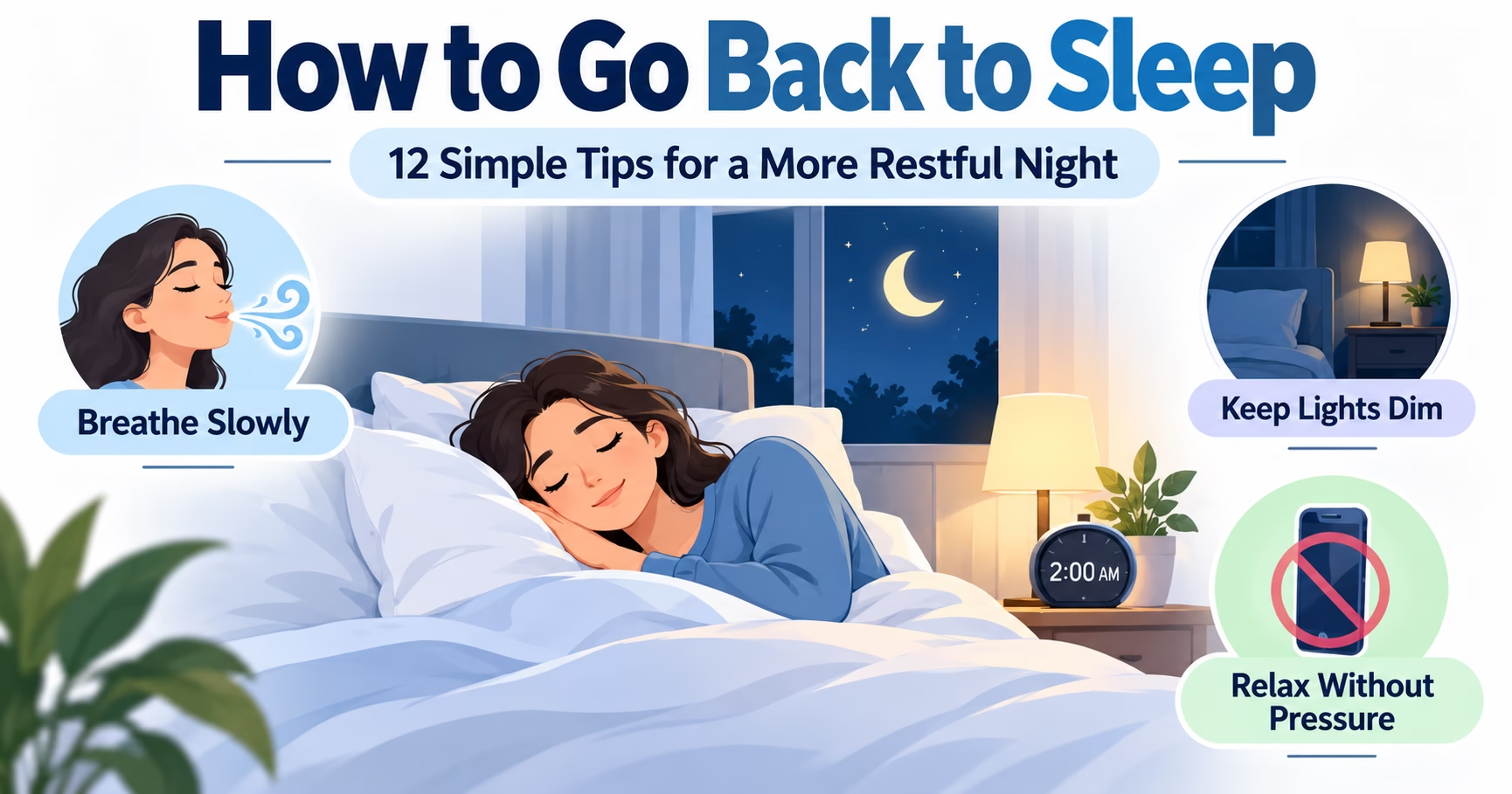
Waking up in the middle of the night can be frustrating, especially when you know your alarm will ring in just a few hours. You turn over, close your eyes, and try to fall asleep again. But suddenly, your mind starts thinking about tomorrow’s responsibilities, unfinished tasks, or something that happened earlier in the day. The harder you try to sleep, the more awake you feel.
If this sounds familiar, you are not alone. Many adults experience nighttime awakenings, and waking briefly during the night is not always a sign of a sleep problem. The challenge begins when you struggle to return to sleep and feel tired the following morning.
Learning how to go back to sleep does not necessarily require expensive sleep products, supplements, or complicated nighttime routines. Small changes, such as relaxing your breathing, keeping your bedroom dark, and stepping out of bed when you remain awake, can make it easier to settle down again.
The key is to stop treating sleep like a task you must complete. Instead, give your body the right conditions to become sleepy naturally.
Why Do You Wake Up in the Middle of the Night?
Before learning how to go back to sleep, it helps to understand why nighttime awakenings happen.
Sleep is not one continuous state of unconsciousness. Your brain moves through different stages of sleep throughout the night. Brief awakenings can occur during these transitions, and you may not even remember most of them in the morning.
However, certain factors can make you wake up more fully or have difficulty falling asleep again.
Stress and an Overactive Mind
Your body may feel tired while your mind remains busy. Concerns about work, family, finances, or upcoming responsibilities can become more noticeable when everything around you is quiet.
For example, you might wake up at 3 a.m. and suddenly start calculating how much work you need to finish before a deadline. Instead of returning to sleep, you begin mentally planning the entire next day.
Stress can contribute to ongoing sleep difficulties, particularly when worrying about sleep itself becomes another source of anxiety.
Caffeine, Alcohol, and Late-Night Habits
Caffeine can remain active in your body for several hours after consumption. Drinking coffee late in the afternoon or evening may make it harder to stay asleep, even if you initially fall asleep without difficulty.
Alcohol can also interfere with sleep quality. Although it may make you feel drowsy at first, alcohol can lead to lighter, more disrupted sleep later in the night.
Large meals, heartburn, bright screens, and irregular sleep schedules can contribute to nighttime wakefulness as well.
Bathroom Trips or Physical Discomfort
You may wake because you need to urinate, feel too warm, experience pain, or have nasal congestion. A noisy environment, an uncomfortable pillow, or a room that is too hot can also interrupt sleep.
If a physical issue repeatedly wakes you, relaxation techniques alone may not solve the problem. Addressing the underlying cause is an important part of improving sleep.
According to the National Heart, Lung, and Blood Institute, healthy sleep habits and appropriate treatment can help people who struggle to fall asleep or remain asleep.
12 Practical Ways to Go Back to Sleep After Waking Up
1. Stop Checking the Clock
One of the first things many people do after waking up is check their phone or bedside clock.
Seeing 2:45 a.m. may trigger thoughts such as, “I have only four hours left to sleep.” You might check again ten minutes later, become more concerned, and start calculating exactly how tired you will feel the next day.
This creates unnecessary pressure.
Instead, turn your clock away from your bed or position your phone where you cannot easily see the time. Unless you need to check for a specific reason, there is little benefit in repeatedly monitoring the hour.
Remind yourself that resting quietly is better than becoming increasingly frustrated about the time.
You do not need to know the exact minute you fell asleep or how many hours remain before your alarm. Reducing that mental pressure can make it easier to relax.
2. Try Slow, Gentle Breathing
When you wake up feeling tense, your breathing may become shallow or rapid. Deliberately slowing it down can help you shift your attention away from worrying thoughts.
You do not need a complicated breathing exercise. Try this simple approach:
- Settle into a comfortable position.
- Breathe in gently through your nose for about four seconds.
- Breathe out slowly for about six seconds.
- Continue for one or two minutes, adjusting the pace so it feels comfortable.
Do not force your breathing or hold your breath if that makes you uncomfortable. The goal is simply to breathe slowly and naturally.
Pay attention to the sensation of air moving in and out. Whenever your mind wanders to tomorrow’s schedule or yesterday’s conversation, bring your attention back to your breathing.
This practice may help reduce tension and make it easier to relax. It does not guarantee that you will fall asleep immediately, and that is perfectly fine.
3. Relax Your Muscles From Head to Toe
Sometimes, your mind is not the only thing keeping you awake. You may be clenching your jaw, tightening your shoulders, or holding tension in your legs without realizing it.
Progressive muscle relaxation is a useful technique for becoming more aware of physical tension.
Start with your feet. Gently tense the muscles for a few seconds, then release them and notice the difference. Move to your calves, thighs, stomach, hands, shoulders, and face.
Keep the movements gentle, and skip any area that feels painful.
You can also practice the technique without deliberately tightening your muscles. Simply focus on releasing tension in each body part.
For instance, relax your forehead, let your jaw hang naturally, lower your shoulders, and allow your hands to rest loosely.
The process gives your attention something simple to follow instead of allowing worries to take over.
If you find that concentrating on your body makes you feel more alert, stop the exercise and choose a quieter activity that feels more comfortable.
4. Stop Forcing Yourself to Sleep
This may sound counterintuitive, but trying harder to fall asleep can sometimes make you more alert.
When you repeatedly tell yourself that you must sleep right now, your bed can start to feel like a place where you struggle rather than rest.
Instead, change your goal.
Rather than thinking, “I need to fall asleep immediately,” try telling yourself, “I can relax without forcing anything.”
Allow your body to settle into a comfortable position. Let your thoughts come and go without trying to solve every problem.
If you are sleepy, give yourself time to drift off naturally. If you become increasingly frustrated or feel wide awake, do not keep struggling under the covers.
Sleep tends to come more easily when you reduce the pressure surrounding it.
5. Get Out of Bed If You Cannot Fall Asleep
If you have been awake for what feels like a while and are becoming frustrated, consider leaving your bed temporarily.
There is no need to watch the clock or wait for an exact number of minutes. Use your level of alertness and frustration as a guide.
Go to another room, or sit somewhere comfortable in a safe, dimly lit part of your home. Choose a quiet activity, such as reading a few pages of a familiar book or listening to calm audio at a low volume.
Avoid work, bright lights, stimulating conversations, and activities that demand concentration.
When you start feeling sleepy again, return to bed.
This approach is part of a behavioral technique called stimulus control. It helps strengthen the association between your bed and sleep instead of teaching your brain to expect long periods of frustration in bed.
The National Institutes of Health’s sleep guidance identifies stimulus control as one component of cognitive behavioral therapy for insomnia, commonly called CBT-I.
If you live with other people, choose a quiet activity that will not disturb them. Make sure your path is well lit enough to prevent trips or falls, especially if you are older or have mobility difficulties.

6. Keep Lights Dim and Avoid Your Phone
A nighttime awakening can quickly turn into an hour of scrolling.
You might check a message, read a news headline, watch a short video, or browse social media. Before you know it, you are fully awake and thinking about things that have nothing to do with sleep.
Phones also bring bright light and stimulating content into a time when you want to remain relaxed.
If you need to get out of bed, use only the amount of light necessary to move around safely. Avoid turning on bright overhead lights unless needed.
If you enjoy listening to something calming, prepare an audio track before bedtime so you do not need to interact with your screen during the night. Keep the volume low and use a sleep timer if helpful.
The same principle applies to tablets, televisions, laptops, and other devices.
A quick glance at your phone may seem harmless, but avoiding unnecessary stimulation makes it easier to return to a restful state.
7. Use a Simple Mental Exercise
Nighttime worries often grow because your mind has too much freedom to move between unrelated thoughts.
A gentle mental exercise can give your attention something neutral to focus on.
One option is to imagine a peaceful, familiar scene. Picture yourself sitting beside a quiet lake, walking through a garden, or relaxing in a comfortable room. Focus on small details, such as the sound of leaves moving or the feeling of a cool breeze.
Another option is to think of unrelated everyday objects, such as a book, a lemon, a chair, and a cloud. Picture each object briefly without building a detailed story around it.
The purpose is not to make your mind completely blank. Thoughts will naturally appear and disappear.
When a stressful thought shows up, notice it without judging yourself and gently return to your chosen exercise.
Choose a technique that feels easy rather than treating it like a test. If you become more alert while concentrating, switch to slow breathing or simply rest quietly.
8. Make Your Bedroom Comfortable Again
Your sleep environment can influence how easily you settle down after waking.
A room that feels comfortable when you first go to bed may become too warm later in the night. You may also become more aware of streetlights, traffic, a ticking clock, or a partner moving around.
Take a moment to consider whether something physical is bothering you.
You may need to adjust your blanket, change your sleeping position, use earplugs, or reduce unwanted light with curtains or an eye mask.
For many people, a cool, dark, and quiet bedroom is helpful. The ideal temperature varies from person to person, so choose a setting that feels comfortable rather than following a strict number.
Check your pillow as well. If your neck or shoulders hurt during the night, a more supportive sleeping position may help.
If noise is unavoidable, a suitable fan or steady background sound may make sudden noises less noticeable. Keep the volume comfortable and avoid anything that interferes with hearing important alerts.
Do not turn your midnight awakening into a major bedroom renovation project. Make only the adjustments you need to become comfortable again.
9. Write Down Persistent Worries Before Bed
Some people wake during the night because their minds return to unfinished tasks and unresolved concerns.
You might remember an unpaid bill, an upcoming appointment, or an email that needs a response. Once the thought appears, you may feel that you have to mentally solve it before you can sleep.
A simple planning routine before bedtime can help.
Spend five minutes writing down anything you are concerned about. Next to each item, add one small action you can take the following day.
For example:
- Work deadline: Finish the first draft after breakfast.
- Upcoming appointment: Set a reminder for the morning.
- Household task: Add it to tomorrow’s to-do list.
You do not need a detailed plan for every problem. The aim is to give yourself permission to deal with ordinary responsibilities later rather than trying to resolve them at 3 a.m.
If you wake up and remember something important, write down a short note if doing so is necessary. Then return your attention to resting.
Keep the process brief. Avoid opening your laptop or reviewing your entire task list in the middle of the night.
10. Avoid Alcohol or Sleep Supplements as a Quick Fix
When you have trouble returning to sleep, taking something that promises to make you drowsy may seem appealing.
However, not every product marketed for sleep is appropriate for nighttime awakenings.
Alcohol may help you feel sleepy initially, but it can contribute to fragmented sleep later in the night.
Melatonin supplements are not a universal solution for insomnia, either. They may be useful in certain circumstances involving sleep timing, but evidence does not establish them as an effective treatment for insomnia in general.
Over-the-counter sleep aids containing antihistamines can also cause side effects, and they may be unsuitable for some people. Prescription sleep medications have their own risks, interactions, and instructions for use.
Do not take an extra dose of a sleep medication in the middle of the night unless your prescribing clinician has specifically instructed you to do so. Some medications can cause excessive morning drowsiness or impair activities such as driving.
The NHLBI’s insomnia treatment guidance recommends discussing sleep medicines and supplements with a healthcare professional.
If you regularly need something to fall asleep or stay asleep, discuss the pattern with your healthcare provider rather than experimenting with different products on your own.
11. Resist the Urge to Compensate With Long Naps
After a difficult night, you may feel tempted to sleep for several hours during the afternoon or go to bed much earlier than usual the following evening.
Occasional extra rest may feel necessary, but repeatedly changing your schedule can make nighttime sleep less predictable.
Long or late-afternoon naps can reduce your sleep drive, making it harder to fall asleep at your usual bedtime. Sleeping much later than normal in the morning can also shift your schedule.
When possible, keep your usual wake-up time and follow your regular daytime routine.
Get some natural daylight, eat meals at your usual times, and engage in comfortable daytime activity. If you are very sleepy, be cautious with driving and other tasks that require alertness.
A short, early nap may be helpful for some people, but avoid using long naps as a regular replacement for nighttime sleep.
If sleep loss is severe, prioritize safety rather than forcing yourself to push through exhaustion.
12. Keep a Consistent Sleep Schedule
Your body’s internal clock responds to regular patterns of light, activity, and sleep.
Going to bed and getting up at roughly the same times each day can help your body maintain a more predictable sleep-wake rhythm.
This applies on weekends, too. Large differences between weekday and weekend schedules may make it harder to feel sleepy at the intended bedtime.
Choose a wake-up time that fits your daily responsibilities and work backward to allow enough time for sleep.
Most adults need at least seven hours of sleep each night, although individual needs vary. Avoid setting an unrealistically short sleep window in an attempt to force your body to become tired.

Consistency takes time. If your schedule has changed substantially, adjust it gradually when practical.
The goal is not to create a perfect routine every single night. It is to provide your body with a steady pattern that supports more reliable sleep over time.
What to Do If You Keep Waking Up at 3 a.m.
Waking up at approximately the same time each night can be particularly frustrating. You may begin expecting the awakening before it even happens.
The clock time alone does not identify the cause. Stress, sleep timing, alcohol, environmental disruptions, medications, and health conditions can all contribute to nighttime wakefulness.
If you wake at 3 a.m., use a simple sequence.
First, avoid checking the time repeatedly. Stay comfortable and give yourself a chance to relax with gentle breathing or a mental exercise.
If you feel sleepy, remain in bed and allow sleep to return naturally. If you are wide awake, frustrated, or mentally activated, get out of bed temporarily and do something quiet in dim light.
Return to bed when you feel sleepy again.
The following morning, avoid treating the awakening as a personal failure. Continue with your regular schedule as safely as possible and notice whether anything may have contributed to the disruption.
If this pattern occurs frequently, keep a short sleep diary for a week or two. Note your approximate bedtime, wake-up time, caffeine and alcohol intake, naps, nighttime awakenings, and how you feel during the day.
You may begin to notice useful patterns, such as difficulty sleeping after late coffee or repeated awakenings following nights when you consume alcohol.
A sleep diary can also give your healthcare provider useful information if you need an evaluation.
How to Prevent Nighttime Awakenings in the First Place
The techniques that help you return to sleep matter, but preventing avoidable disruptions can be equally valuable.
Be Mindful of Caffeine Timing
Coffee, tea, energy drinks, soda, chocolate, and some supplements contain caffeine. Sensitivity varies, so an amount that causes no problems for one person may disturb another person’s sleep.
Try reducing caffeine later in the day and notice whether your sleep improves.
Avoid Heavy Meals Close to Bedtime
A large meal immediately before bed may contribute to discomfort or heartburn, which can interrupt sleep.
Aim to finish heavy meals a few hours before bedtime when possible. A light snack is reasonable if you are hungry, and you do not need to go to bed uncomfortably hungry to sleep well.
Be Strategic About Evening Fluids
Drinking large amounts of fluid shortly before bed may increase the need to urinate during the night.
You can spread your fluid intake throughout the day and reduce large drinks near bedtime. However, do not restrict fluids excessively, particularly if you have been advised to maintain a specific hydration routine.
Frequent nighttime urination that is new, persistent, or accompanied by other symptoms deserves medical attention.
Build a Relaxing Bedtime Routine
Give yourself time to transition from daily activity to sleep.
You might dim the lights, wash up, read a few pages of a book, listen to calm music, or practice gentle stretching. Choose activities that help you feel settled rather than energized.
Keeping this routine simple makes it easier to follow consistently.
Get Daytime Light and Physical Activity
Natural light, particularly earlier in the day, supports your sleep-wake rhythm. Regular physical activity may also help support sleep quality.
You do not need an intense workout. Walking outdoors, gardening, or doing another activity you enjoy can be a useful starting point.
Choose exercise timing that suits your body and avoid activities close to bedtime if you find they make you feel more alert.
These habits support good sleep, but they are not a substitute for evaluating persistent insomnia or another underlying problem.
When Should You See a Doctor About Waking Up at Night?
An occasional restless night is common and does not automatically indicate a sleep disorder.
However, repeated awakenings deserve attention when they affect your energy, concentration, mood, or ability to function during the day.
Consider speaking with a healthcare professional if:
- You frequently wake up and struggle to return to sleep.
- You regularly spend long periods awake during the night.
- You feel persistently tired despite allowing enough time for sleep.
- Sleep problems interfere with work, relationships, or everyday activities.
- You experience persistent anxiety about sleeping.
- Nighttime awakenings occur alongside pain, heartburn, breathing difficulties, or frequent urination.
Loud snoring, gasping during sleep, witnessed pauses in breathing, morning headaches, and excessive daytime sleepiness can be signs of sleep apnea. These symptoms warrant medical evaluation rather than relying only on sleep-hygiene changes.
Medications, menopause-related symptoms, restless legs, depression, anxiety, and other health conditions may also affect sleep. A clinician can help identify possible causes and recommend appropriate treatment.
For persistent insomnia, cognitive behavioral therapy for insomnia (CBT-I) is generally recommended as the first-line treatment. It is a structured approach that helps people change the thoughts and behaviors that interfere with sleep. It commonly includes strategies for stimulus control, relaxation, and managing worries about sleep.
CBT-I is more comprehensive than simply following general bedtime tips, and it can be delivered in person or through certain structured online programs.
You do not need to wait until sleep loss becomes unbearable before seeking help.
Frequently Asked Questions
Why do I wake up at night and struggle to fall asleep again?
Nighttime awakenings can result from normal sleep-stage transitions, stress, caffeine, alcohol, an uncomfortable bedroom, or the need to use the bathroom. Sometimes, a health condition or medication is involved. If the problem occurs regularly, look for patterns and speak with a healthcare professional when it affects your daily life.
What is the fastest way to go back to sleep?
There is no single method that works immediately for everyone. A useful starting point is to stop checking the clock, breathe gently, relax your muscles, and avoid stimulating activities. If you remain awake and frustrated, leave bed temporarily and return when you feel sleepy.
Should I stay in bed if I cannot sleep?
If you feel relaxed and sleepy, staying in bed is reasonable. If you are increasingly alert or frustrated, getting up for a quiet activity in dim light may help. Return to bed when drowsiness returns rather than forcing yourself to remain awake in bed.
Is waking up at 3 a.m. a sign of insomnia?
Not necessarily. Waking at a particular time does not, by itself, diagnose insomnia. The frequency of awakenings, difficulty returning to sleep, duration of the problem, and impact on daytime functioning matter more. Repeated sleep difficulties that interfere with daily life should be discussed with a healthcare professional.
Does looking at my phone make it harder to fall asleep again?
It can. Bright light, stimulating videos, messages, and news may increase alertness and make it harder to relax. Keeping your phone out of reach and avoiding unnecessary screen use during nighttime awakenings can support a calmer sleep environment.
Can I take melatonin after waking up in the middle of the night?
Do not assume that taking melatonin during a nighttime awakening is appropriate. Its usefulness depends on factors such as sleep timing, the reason for the problem, other medications, and your health circumstances. Ask a healthcare professional before using it for recurring sleep difficulties.
How many hours of sleep should adults get?
Most adults need at least seven hours of sleep per night, and many do best with seven to nine hours. Individual needs vary. If you consistently feel exhausted despite allowing enough time to sleep, consider discussing the problem with your healthcare provider.
Final Thoughts
Learning how to go back to sleep after waking up at night starts with understanding that you cannot force sleep to happen on demand. The more pressure you place on yourself to fall asleep immediately, the more frustrating the experience may become.
Instead, focus on what you can control. Avoid repeatedly checking the clock, practice gentle breathing, relax your muscles, and keep your surroundings dark and quiet. If you remain awake and frustrated, get out of bed briefly and return when you feel sleepy.
During the day, maintain a consistent sleep schedule, pay attention to caffeine and alcohol, and create a relaxing bedtime routine.
Most importantly, do not ignore recurring sleep difficulties that leave you exhausted or affect your daily life. Persistent nighttime awakenings may have an underlying cause that deserves attention.
A difficult night does not mean the next night will be the same. With a calmer response, supportive sleep habits, and appropriate help when needed, you can work toward more restful and consistent sleep.